RF Interference Challenges During Network Cabling Installs Near Major Airports Like Philadelphia International
Installing structured cabling systems near major airports presents unique technical challenges that many businesses overlook during the planning stage. One of the biggest concerns is RF interference during network cabling installs. Airports such as Philadelphia International Airport operate large-scale communication systems, radar equipment, air traffic control networks, radio towers, and wireless communication technologies that constantly emit radio frequency signals. These signals can negatively affect improperly designed or poorly shielded network cabling systems.
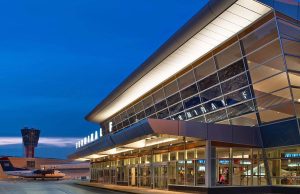
The illuminated terminal exterior of Philadelphia International Airport showcases the advanced transportation infrastructure and communication systems operating in high RF environments.
For organizations located near airports, understanding RF interference during network cabling installs is critical for maintaining reliable connectivity, minimizing downtime, and protecting long-term network performance. Professional structured cabling providers like Bridge Cable help businesses design infrastructure capable of handling challenging electromagnetic environments.
What Is RF Interference?
Radio frequency interference, commonly called RFI, occurs when external radio signals disrupt the performance of electronic systems or communication cables. In commercial buildings near airports, the risk of RF interference during network cabling installs increases because airports continuously transmit high-powered radio signals across multiple frequencies.

The air traffic control tower at Philadelphia International Airport represents the powerful communication systems and radio frequency activity surrounding airport environments.
Common airport-related RF sources include:
- Air traffic control communication systems
- Aircraft navigation systems
- Radar installations
- Emergency response radio systems
- Cellular communication towers
- Satellite communication equipment
- Ground transportation communication networks
When network cabling is installed without proper shielding, separation, or grounding, these signals can introduce noise into copper cabling systems. This can lead to packet loss, unstable VoIP calls, slower data transfer speeds, and intermittent network outages.
Why Airport Environments Create Unique Cabling Risks
Commercial buildings located near airport zones often experience more complex electromagnetic conditions than standard office environments. This is why RF interference during network cabling installs must be considered early during project planning.
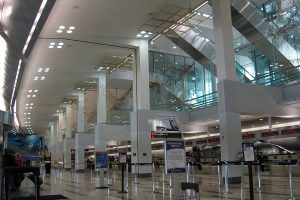
The modern interior of Philadelphia International Airport highlights the advanced communication systems and infrastructure operating within large transportation facilities.
Airports operate around the clock and rely heavily on mission-critical wireless communication. High-frequency transmissions can penetrate nearby structures and interact with low-voltage systems if installations are not designed properly. Buildings near airport runways, terminals, maintenance facilities, and logistics hubs may experience higher interference levels compared to locations farther away.
Large facilities such as warehouses, hotels, transportation centers, healthcare buildings, and data centers near airports often require advanced cabling strategies to reduce performance issues caused by RF noise.
Signs of RF Interference in Structured Cabling Systems
A “Welcome to Philadelphia” sign inside the airport terminal reflects the busy transportation and communication infrastructure surrounding major airport facilities.
Businesses may not immediately realize that poor network performance is linked to interference problems. However, several warning signs may indicate RF interference during network cabling installs has affected the infrastructure.
Typical symptoms include:
- Unstable internet connectivity
- Frequent packet retransmissions
- Slow network speeds
- VoIP call distortion
- Video conferencing interruptions
- Random device disconnects
- Data transmission errors
- Reduced wireless access point performance
In some cases, the interference may appear only during specific times of day when airport communication activity increases.
Best Practices for Preventing RF Interference
Preventing RF interference during network cabling installs requires proper planning, experienced technicians, and high-quality materials. Professional structured cabling contractors use several methods to minimize interference risks in airport-adjacent environments.
Use Shielded Cabling
Shielded twisted pair (STP) cabling provides additional protection against external electromagnetic interference. Unlike unshielded cabling, STP includes metallic shielding that helps block unwanted RF signals.
For facilities near airports, shielded Category 6A or Category 7 cabling may offer improved protection and long-term performance stability.
Maintain Proper Cable Separation
Low-voltage network cables should never be installed too close to electrical systems, radio equipment, HVAC motors, or industrial machinery. Maintaining physical separation reduces the risk of signal contamination.
Experienced installers evaluate pathways carefully to avoid high-interference areas during RF interference during network cabling installs.
Implement Proper Grounding and Bonding
Improper grounding can increase vulnerability to electromagnetic noise. Grounding and bonding systems help dissipate unwanted electrical energy safely and improve overall cabling performance.
Professional contractors follow industry standards such as ANSI/TIA guidelines to ensure proper installation practices.
Consider Fiber Optic Cabling
Fiber optic cabling is immune to electromagnetic interference because it transmits data using light instead of electrical signals. In high-interference environments near airports, fiber optic infrastructure is often the preferred solution.
Many organizations choose hybrid network designs that combine fiber backbones with shielded copper cabling for maximum reliability.
The Importance of Professional Site Assessments
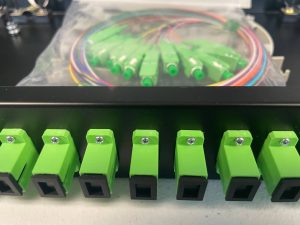
Fiber optic connectors and patch panel components prepared for high-speed network infrastructure installations in commercial environments
Every airport-adjacent property presents different environmental conditions. This is why site assessments play an important role in reducing RF interference during network cabling installs.
Professional cabling contractors evaluate:
- Nearby RF transmission sources
- Building construction materials
- Existing electrical infrastructure
- Equipment room placement
- Cable routing pathways
- Grounding systems
- Wireless coverage requirements
This assessment process helps identify potential problem areas before installation begins.
Why Businesses Near Airports Need Experienced Cabling Contractors
Installing network infrastructure near major airports requires more than standard cabling knowledge. Contractors must understand how electromagnetic environments affect network performance and how to design systems that remain stable under high-interference conditions.
Experienced providers like Bridge Cable help businesses reduce the risks associated with RF interference during network cabling installs by implementing industry best practices, advanced shielding techniques, and properly engineered cable pathways.
Whether supporting warehouses, healthcare facilities, transportation hubs, office buildings, or logistics centers, professionally installed structured cabling systems help organizations maintain reliable communication even in demanding RF environments.
As commercial development continues around major transportation hubs, businesses must pay closer attention to the effects of RF interference during network cabling installs. Airports like Philadelphia International Airport generate complex radio frequency environments that can negatively impact poorly designed network systems.
With proper planning, high-quality materials, shielding strategies, grounding practices, and experienced installation teams, organizations can significantly reduce interference risks and maintain strong network performance. Working with trusted structured cabling specialists such as Bridge Cable ensures that network infrastructure is designed for long-term reliability, scalability, and operational efficiency in even the most demanding locations.
For help with any project or installation in the New Jersey or Philadelphia area please call us at 877-832-1206.
For more ideas please visit – https://www.bridgecable.com/services/
For more information and educational content please visit:
https://www.youtube.com/@BridgeCable
Copyright © 2026 Bridge Cable. All rights reserved.
Mailing: 2745 Terwood Road, Willow Grove, PA 19090
Warehouse: 2066 W. Hunting Park Ave, STE 308, Philadelphia, PA 19140
Related Posts
Why Businesses Spend More on Repairs Than Proper Structured Cabling Installation

Allentown Structured Cabling Companies: Preparing Networks for Growth