Why Businesses Should Upgrade Their Network Cabling Infrastructure
In today’s fast-paced digital world, network cabling is the backbone of every organization’s IT infrastructure. Businesses often overlook the importance of a robust cabling system, focusing instead on software, cloud solutions, or end-user devices. However, without a modern cabling infrastructure, even the best software cannot perform efficiently. Outdated network cabling can limit connectivity, slow down data transfer, and create bottlenecks that disrupt productivity. Upgrading your cabling is more than a technical upgrade—it is a strategic business decision that ensures your organization can meet current and future connectivity demands.
Reliable network cabling is critical for all businesses, whether a small office, a growing enterprise, or a large data center. With the increasing reliance on cloud services, video conferencing, VoIP systems, and large file transfers, the need for high-speed, stable connections has never been more essential. Businesses that fail to invest in modern cabling may experience slow network speeds, frequent outages, and frustrated employees, ultimately impacting customer satisfaction and revenue.
Enhanced Reliability and Performance
One of the most immediate benefits of upgrading network cabling is improved reliability. Older systems are prone to signal interference, electromagnetic noise, and wear over time. These issues can cause intermittent connectivity, slow data transfer rates, and frequent network downtime. Such disruptions not only hinder productivity but can also affect critical business operations, particularly in industries that rely heavily on real-time data transmission.
By installing modern network cabling, businesses can achieve consistent performance and uninterrupted connectivity. High-quality cables, properly terminated and organized, reduce signal degradation and minimize the likelihood of failures. This translates into smoother workflow for employees and greater confidence in IT systems. For organizations running cloud-based applications, video conferences, or VoIP systems, reliable cabling is the foundation for seamless communication and collaboration.
Support for Advanced Technologies
Modern technologies demand more bandwidth and higher data transfer rates than ever before. Legacy cabling systems, such as Cat5, may not support the requirements of today’s applications, leading to lag, delays, or dropped connections. Upgrading to Cat6a, Cat7, or fiber optic network cabling ensures that your business infrastructure can support high-speed internet, large file transfers, and advanced technologies without interruption.
Fiber optic cabling, in particular, provides significant advantages, including faster transmission speeds over longer distances and immunity to electromagnetic interference. Businesses leveraging cloud computing, video streaming, or virtual collaboration tools can benefit immensely from these improvements. An upgraded network cabling system also future-proofs your organization, allowing for easy adoption of new technologies without needing another costly infrastructure overhaul in the near future.
Energy Efficiency and Cost Savings
Modern network cabling systems are not only faster and more reliable—they are also more energy-efficient. Improved cabling reduces the power required for data transmission and minimizes strain on networking equipment. This efficiency can lower energy costs and reduce heat generation, extending the lifespan of servers, switches, and other IT devices.
Investing in upgraded network cabling also leads to long-term cost savings. While older systems may require frequent repairs, troubleshooting, and replacements, modern cabling is designed for durability and higher performance. Businesses can reduce maintenance expenses and avoid the hidden costs of downtime caused by network failures. Furthermore, improved network efficiency enhances employee productivity, which translates into increased revenue over time.
Improved Security
Security is another key reason to upgrade network cabling. Outdated systems can be more vulnerable to tapping, interference, and other security threats, putting sensitive business data at risk. Modern structured cabling often includes shielding and protective measures that minimize vulnerabilities and prevent unauthorized access.
For organizations that handle confidential client information, financial data, or proprietary business processes, secure network cabling is critical. Investing in a modern cabling infrastructure ensures compliance with industry standards and best practices while reducing the risk of cyberattacks or data breaches. In today’s business environment, data security is non-negotiable, and the foundation begins with reliable and secure cabling.
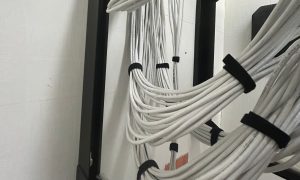
Network Cabling Cords
Scalability for Future Growth
Business growth often means adding new devices, expanding office spaces, or upgrading IT systems. Outdated network cabling may not accommodate these changes efficiently, requiring expensive retrofits and causing temporary disruptions. Modern structured cabling provides scalability, allowing businesses to add servers, workstations, and wireless access points without major network interruptions.
Scalable network cabling ensures that your infrastructure can handle increasing data demands and evolving business needs. It also allows for easier integration of new technologies, including IoT devices, high-definition video systems, and AI-based applications. By upgrading your cabling, businesses avoid limitations that could slow growth and ensure the network evolves alongside the organization.
Boosting Business Reputation
Beyond performance and efficiency, investing in network cabling enhances your company’s reputation. Clients, partners, and employees notice when a business has a reliable, fast, and secure network. A strong network demonstrates professionalism and a commitment to operational excellence.
Businesses that prioritize their IT infrastructure are better positioned to compete in a technology-driven marketplace. Upgraded network cabling supports seamless communication, efficient operations, and high-quality service delivery. It reflects a forward-thinking approach that inspires confidence among clients and employees alike, reinforcing your business as capable, modern, and reliable.
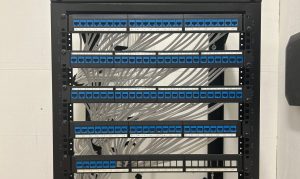
Network Cabling Rack
Conclusion
Upgrading your network cabling infrastructure offers numerous benefits, including increased reliability, faster speeds, enhanced security, scalability, energy efficiency, and long-term cost savings. Modern cabling systems support advanced technologies, improve productivity, and prepare organizations for future growth. Companies that neglect cabling upgrades may experience inefficiencies, higher maintenance costs, and missed business opportunities. Prioritizing network cabling ensures optimal performance, reduces operational risks, and positions your business to thrive in an increasingly connected world.
For help with any project or installation in the New Jersey or Philadelphia area please call us at 877-832-1206.
For more ideas please visit – https://www.bridgecable.com/services/
For more information and educational content please visit:
https://www.youtube.com/@BridgeCable
Copyright © 2025 Bridge Cable. All rights reserved.
Mailing: 2745 Terwood Road, Willow Grove, PA 19090
Warehouse: 2066 W. Hunting Park Ave, STE 308, Philadelphia, PA 19140
Related Posts

What to Expect During Commercial Cabling Projects

Top 10 Network Cabling Trends to Watch in 2026

