Top 10 Most Common Telecommunication Issues and How to Fix Them
In today’s always-connected world, telecommunication systems are the backbone of business operations, remote work, customer service, and personal communication. When these systems fail or underperform, productivity drops fast. From dropped calls to slow data speeds, telecommunication problems can be frustrating—but most are preventable or fixable with the right approach. This article breaks down the most common telecommunication issues and provides practical solutions to help keep your systems running smoothly.
1. Poor Call Quality and Dropped Calls
One of the most common telecommunication complaints is poor call quality. This includes static, echoing, delayed audio, or calls that drop unexpectedly. These issues often stem from weak network signals, overloaded bandwidth, or outdated hardware. In VoIP-based telecommunication systems, packet loss and jitter can also severely impact call clarity.
How to fix it:
Start by checking your network strength and bandwidth usage. Ensure your router and switches can handle voice traffic and prioritize it using Quality of Service (QoS) settings. Updating firmware, replacing old handsets, and switching to wired Ethernet instead of Wi-Fi for desk phones can dramatically improve telecommunication performance.

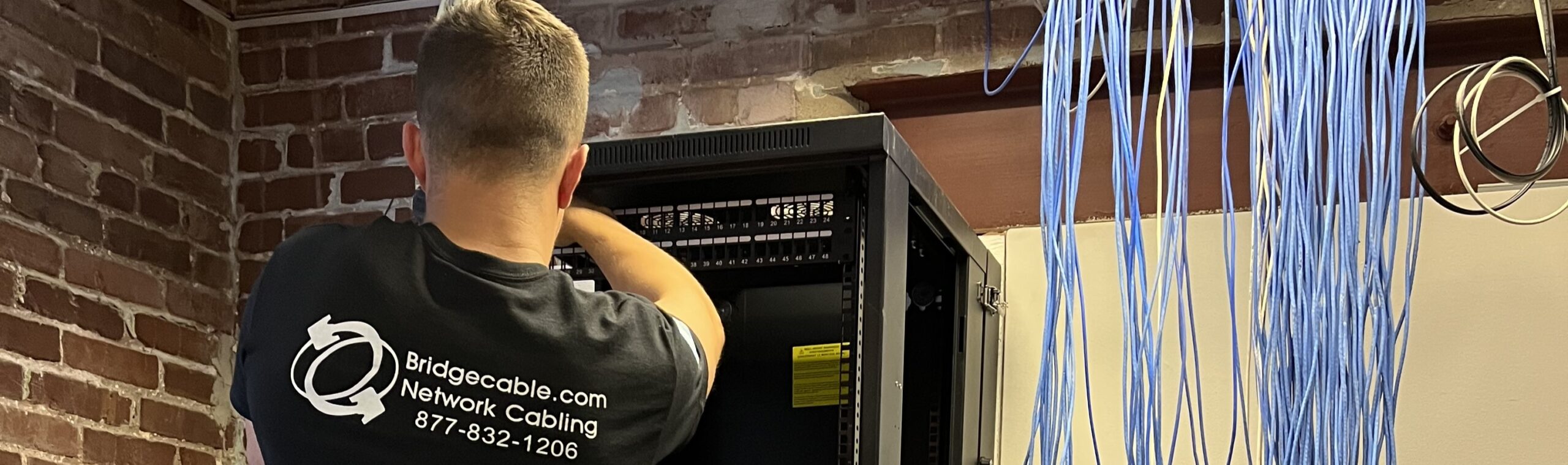
Network Cabling Telecommunication Technicians On Site
2. Slow Internet and Data Transmission Speeds
Slow internet is a major telecommunication issue, especially for businesses relying on cloud platforms, video calls, and large data transfers. Congestion, outdated cabling, or insufficient bandwidth plans are common causes. Inconsistent speeds often signal internal infrastructure problems rather than your internet service provider.
How to fix it:
Run speed tests during peak and off-peak hours to identify bottlenecks. Upgrade to Cat6 or fiber cabling if your current infrastructure is outdated. Optimizing internal networks ensures your telecommunication systems operate at peak efficiency.
3. Network Downtime and Service Interruptions
Unexpected downtime is one of the most costly telecommunication issues for organizations. Whether caused by power outages, ISP failures, or equipment malfunctions, downtime can halt communication entirely. Even short outages can disrupt operations, customer service, and remote access.
How to fix it:
Implement redundancy wherever possible. This includes backup internet connections, failover routers, and uninterruptible power supplies (UPS). Regular monitoring tools can detect telecommunication failures early, allowing IT teams to respond before full outages occur.
4. Compatibility Issues Between Systems
As businesses grow, they often layer new tools onto old telecommunication systems. This can cause compatibility issues between hardware, software, and platforms.
How to fix it:
Conduct a full audit of your telecommunication infrastructure. Replace outdated systems with scalable communication platforms. Choosing standardized protocols and vendor-supported integrations reduces long-term compatibility issues and simplifies future upgrades.
5. Security Vulnerabilities and Data Breaches
Telecommunication systems are increasingly targeted by cyberattacks, including VoIP hacking, phishing, and denial-of-service attacks. Unsecured networks and outdated software leave communication channels exposed, risking sensitive data and business continuity.
How to fix it:
Secure your telecommunication environment with firewalls, encryption, and strong authentication protocols. Regularly update software and firmware, and train employees to recognize suspicious activity. Security should be treated as a core component of any telecommunication strategy, not an afterthought.
6. Poor Wi-Fi Coverage and Signal Interference
Inadequate Wi-Fi coverage is another frequent telecommunication issue, particularly in large offices or buildings with thick walls. Dead zones, interference from other devices, and improperly placed access points all contribute to unreliable connectivity.
How to fix it:
Conduct a wireless site survey to identify weak areas. Add additional access points, reposition existing ones, and switch to less congested channels. For mission-critical tasks, consider hardwired connections to eliminate interference entirely.
7. Lack of Scalability as Demand Grows
Many systems work fine at first but struggle as user numbers increase. Adding employees, devices, or locations can overwhelm systems that weren’t designed to scale, leading to performance issues and frequent failures.
How to fix it:
Choose cloud-based solutions that allow easy expansion. Plan capacity ahead of growth and regularly reassess usage patterns. Scalable systems reduce the need for costly overhauls and support long-term operational flexibility.

Telecommunications Cabling Professional on a Lift
8. Inadequate Technical Support and Monitoring
Without proper monitoring, network issues often go unnoticed until users complain. Reactive troubleshooting wastes time and increases downtime. Limited access to skilled support further complicates resolution.
How to fix it:
Implement real-time monitoring tools to track performance, uptime, and usage. Partner with reliable service providers who specialize in telecommunication support. Proactive maintenance and expert oversight prevent small issues from becoming major disruptions.
9. Improper Cabling and Physical Infrastructure Issues
Many problems start at the physical layer. Poor cable management, damaged wiring, incorrect cable types, or low-quality installations can all lead to inconsistent connectivity, signal loss, and slow performance. These issues are especially common in older buildings or offices that have expanded their telecommunication systems over time without upgrading infrastructure.
How to fix it:
Inspect all cabling for damage, bends, or interference from power lines. Upgrade outdated copper cabling to Cat6 or fiber where possible, and ensure all terminations are professionally done. Proper labeling and cable management also make telecommunication troubleshooting faster and reduce future downtime.
10. Lack of Regular Maintenance and System Updates
Another overlooked telecommunication issue is failing to maintain systems over time. Software updates, firmware patches, and hardware checks are often delayed or ignored until something breaks. This can lead to degraded performance, security vulnerabilities, and compatibility issues across platforms.
How to fix it:
Create a regular maintenance schedule that includes updates, testing, and performance reviews. Automate updates where possible and document all changes to your system environment. Routine maintenance helps prevent unexpected failures and extends the life of your systems.
Building a Stronger Telecommunication Infrastructure
Telecommunication issues are inevitable, but they don’t have to be disruptive. Most problems—whether related to call quality, speed, security, or scalability—can be resolved with the right infrastructure, planning, and monitoring. By addressing these common challenges proactively, businesses and individuals can build reliable, secure, and future-proof telecommunication systems that support seamless communication every day.
For help with any project or installation in the New Jersey or Philadelphia area please call us at 877-832-1206.
For more ideas please visit – https://www.bridgecable.com/services/
For more information and educational content please visit:
https://www.youtube.com/@BridgeCable
Copyright © 2026 Bridge Cable. All rights reserved.
Mailing: 2745 Terwood Road, Willow Grove, PA 19090
Warehouse: 2066 W. Hunting Park Ave, STE 308, Philadelphia, PA 19140
Related Posts

Low Voltage Wiring vs. High Voltage: The Ultimate Comparison

Managing Structured Cabling at Work: How a Tidy Desk Affects Your Productivity