How Structured Cabling Supports Wi-Fi Networks in Offices
What is Structured Cabling?
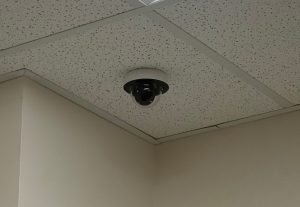
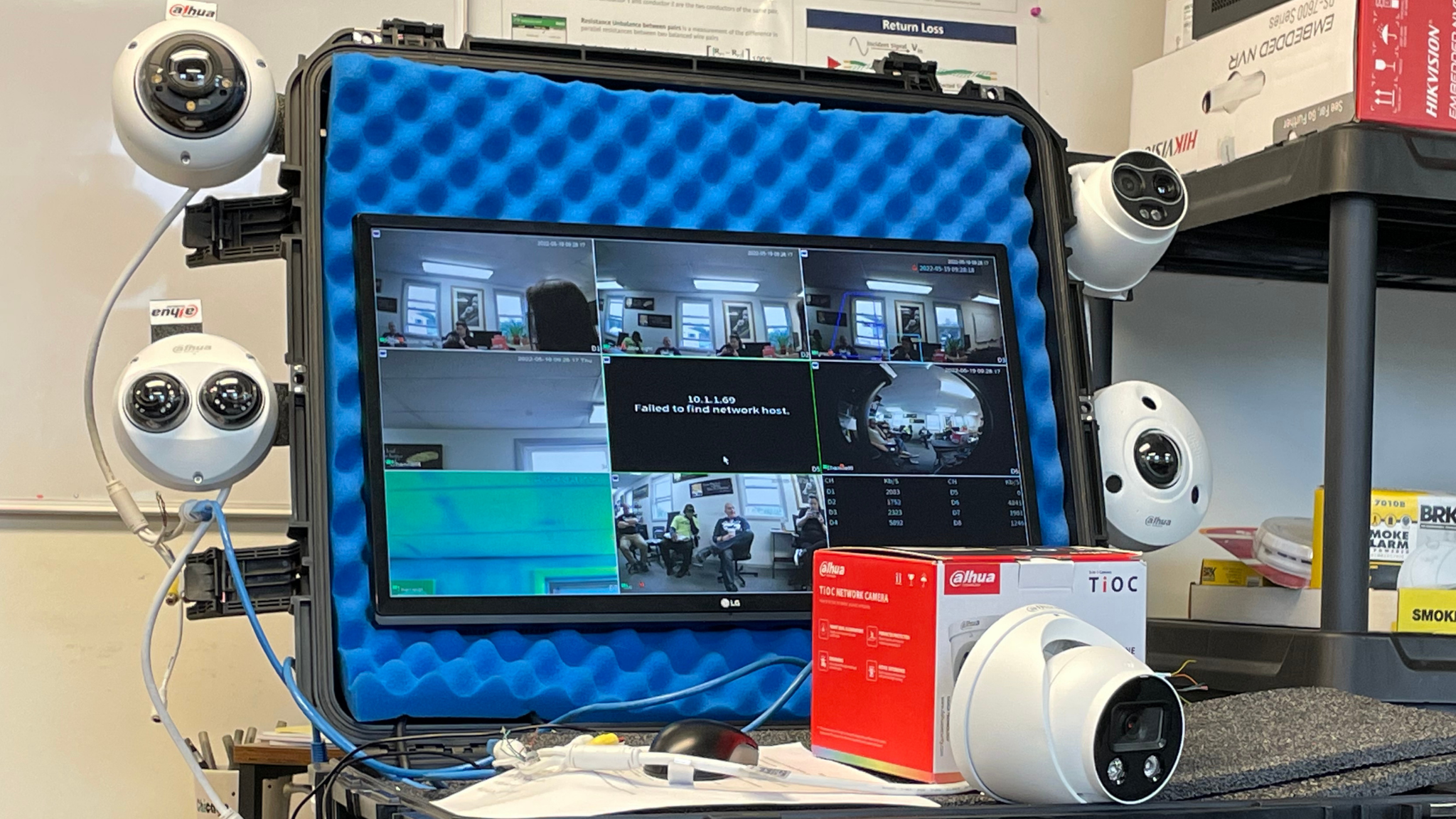
Office Security Camera Installation
Structured cabling is an organized approach to wiring that standardizes network connections across a building. Unlike ad-hoc or patchwork cabling systems, structured cabling ensures all cables are installed, labeled, and routed according to industry standards. This organized design minimizes interference, simplifies maintenance, and provides the flexibility to expand or upgrade network infrastructure over time.
In office settings, structured cabling supports a variety of systems beyond Wi-Fi, including VoIP phones, security cameras, and access control systems. By implementing a structured cabling system, IT teams can manage all connected devices efficiently, troubleshoot issues faster, and ensure a high-performance network that keeps employees connected.
In today’s office environments, reliable Wi-Fi is no longer a luxury, it’s a necessity. Employees depend on stable, high-speed wireless networks to collaborate, access cloud-based applications, and manage business operations efficiently. Behind the scenes, a robust wired infrastructure is essential to support this wireless connectivity. Structured cabling forms the backbone of modern office Wi-Fi networks, ensuring consistent signal strength, high-speed data transmission, and the scalability needed to adapt to growing business needs.
Without professional structured cabling, Wi-Fi networks can experience interference, dead zones, and slow speeds, leading to frustrated employees and lost productivity. By investing in structured cabling, businesses create a reliable foundation that enables seamless wireless communication throughout the office.
Why Proper Cabling is Critical for Wi-Fi
Wi-Fi access points rely on wired connections to deliver fast and stable signals. Structured cabling ensures these access points receive sufficient bandwidth, low latency, and minimal interference, which is essential for high-density office environments.
Without network cabling, wireless networks can suffer from connectivity gaps and congestion. For example, open office layouts with multiple APs may experience signal overlap or interference if the cabling isn’t properly planned. Professional structured cabling provides a foundation that supports multiple access points efficiently, optimizing coverage, speed, and network reliability.
By designing an organized cabling system with Wi-Fi in mind, businesses can also future-proof their network. Adding additional APs or upgrading to the latest Wi-Fi standards becomes seamless when the underlying structured cabling infrastructure is properly installed.
Benefits of Structured Cabling for Office Wi-Fi
Implementing professional structured cabling offers several advantages for office wireless networks:
Reduced Interference – Proper cable management and separation of data, voice, and power lines minimize electromagnetic interference, improving Wi-Fi signal quality.
Simplified Troubleshooting – With organized and labeled cabling, IT teams can quickly identify and resolve issues without disrupting the entire network.
Scalability – Offices can expand or relocate access points easily without major rewiring. Structured cabling supports growth and network upgrades with minimal downtime.
Cost Savings – Though initially more expensive, structured cabling reduces long-term maintenance costs and prevents costly network failures.
These benefits make network cabling an essential investment for any office that relies on robust Wi-Fi for daily operations.
Planning Structured Cabling for Wi-Fi
This installation requires careful planning. Offices should consider the following factors:
Network Layout: Determine the optimal placement of access points to eliminate dead zones and maximize coverage.
Cable Type: Choose the right cabling (Cat6, Cat6a, or fiber optic) to support current and future bandwidth demands.
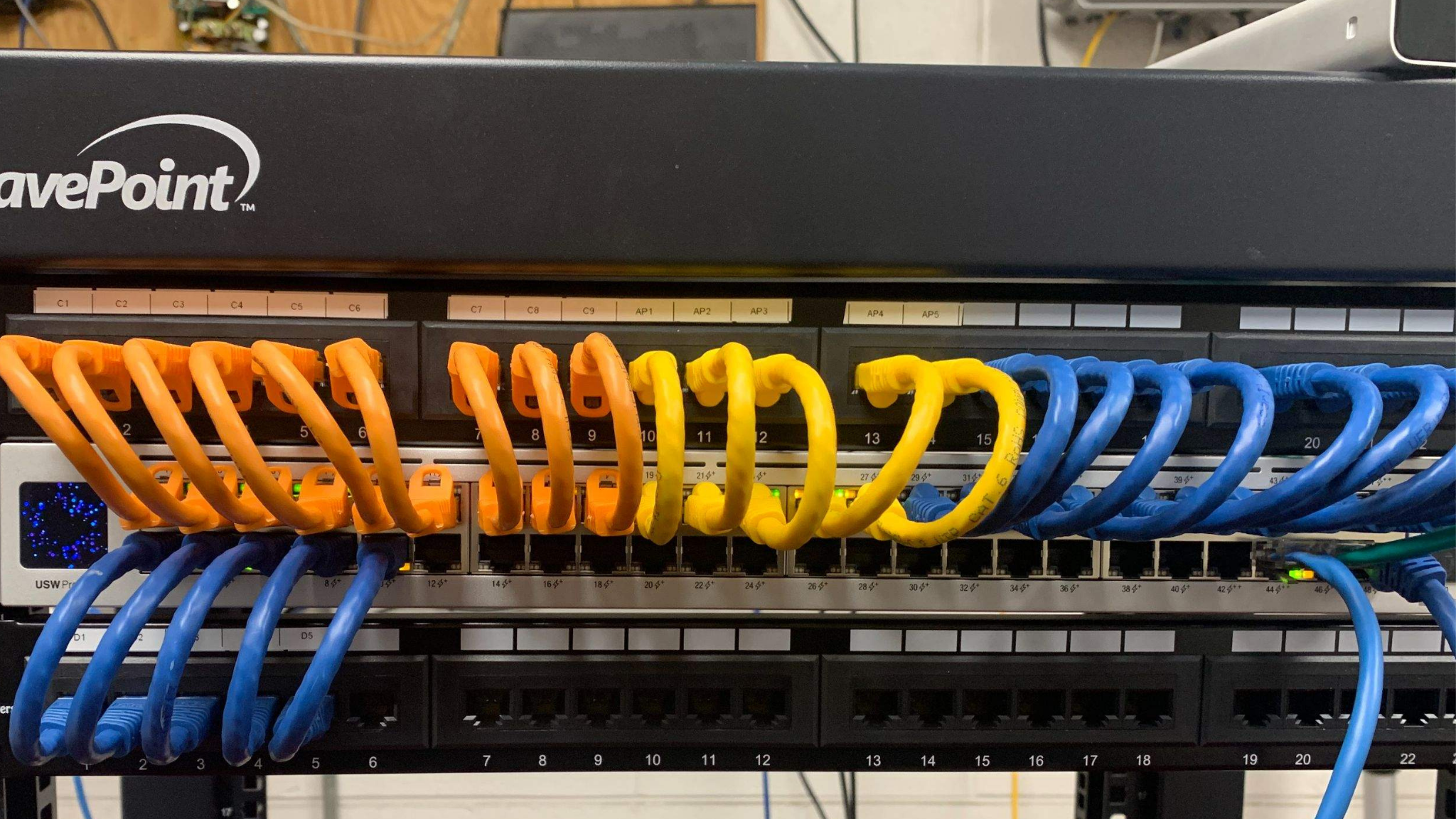
Patch Panels and Switches: Centralized cabling infrastructure allows easier management and upgrades.
By strategically designing the structured cabling system, businesses can guarantee Wi-Fi performance that meets the needs of employees today while accommodating future growth.
Structured Cabling and High-Density Environments
Modern offices often feature open workspaces, conference rooms, and hot-desking arrangements. These high-density environments place significant demands on Wi-Fi networks. Without proper cabling, multiple access points may compete for bandwidth, leading to slow performance and dropped connections.
Structured cabling provides a scalable solution by delivering dedicated connections to each access point. This ensures that high-density areas maintain strong signals, enabling employees to access cloud applications, video conferencing tools, and collaboration software without interruption. Well-planned cabling also helps IT teams isolate and troubleshoot specific areas of the network when issues arise.
Future-Proofing Your Office Network
Structured Cabling Technicians
One of the key advantages of structured cabling is its ability to future-proof office networks. As technology evolves, offices increasingly rely on wireless devices, cloud services, and IoT integration. Network cabling provides the foundation for upgrades, including Wi-Fi 6, 10G Ethernet, and even fiber-based connectivity.
Investing in professional cabling today means your office can adapt to new technologies without major rewiring. This flexibility saves time, reduces costs, and ensures your Wi-Fi network remains fast, reliable, and capable of supporting advanced office technologies for years to come.
Building a Reliable Wireless Foundation
In modern offices, Wi-Fi is the lifeline for business operations. Strong cabling serves as the backbone of this wireless connectivity, ensuring access points receive the bandwidth, stability, and reliability necessary for seamless communication. From reducing interference to simplifying troubleshooting and supporting future expansion, structured cabling is an essential investment for any office seeking to maintain high-performance Wi-Fi.
By planning and installing a professional cabling system, businesses can create a reliable, scalable, and efficient network infrastructure. This allows employees to collaborate effectively, access cloud-based tools, and maintain productivity without disruptions. Ultimately, structured cabling isn’t just wiring—it’s the foundation for a smarter, faster, and more connected office.
For help with any project or installation in the New Jersey or Philadelphia area please call us at 877-832-1206.
For more ideas please visit – https://www.bridgecable.com/services/
For more information and educational content please visit: https://www.youtube.com/@BridgeCable
The Importance of Structured Cabling During Reality Shows
Discover why structured cabling is vital for reality shows like Big Brother, Jersey Shore, and The Traitors—ensuring reliability, security, and smooth production.
The Importance of Structured Cabling at the Philly Sports Complex
Explore the importance of structured cabling at the Philly Sports Complex—keeping venues like Citizens Bank Park, Lincoln Financial Field, and Xfinity Live! connected.
The Beneficial Role of Color-Coded Connectors in Structured Cabling
Color-coded connectors are a simple yet powerful tool for improving identification and organization in structured cabling. From faster installations to easier troubleshooting, they reduce errors, save costs, and support scalability. Discover how color coding transforms cable management into a more efficient, reliable, and future-ready system.