How Low Voltage Careers Are Shaped by Early Education
The world of technology and security is expanding rapidly, and careers in low voltage are becoming more appealing than ever for young professionals. Many high school graduates and early career seekers want hands-on work that pays well, offers job security, and provides room for growth. Strong education—through trade programs, certifications, or vocational training—plays a major role in helping them get started. Low voltage careers, ranging from security system installation to structured cabling and network setup, are ideal for people who enjoy technical work, problem-solving, and real-world results.
Unlike traditional office jobs, low voltage positions mix practical skills with technology, giving young professionals the chance to see the work they complete every day. From installing access control systems to setting up fire alarms and surveillance networks, technicians gain valuable experience early in their careers. Exposure through internships, apprenticeships, or technical education programs gives students a head start and often leads to stable career paths.
Why Low Voltage Careers Fit Well With Early Education
The demand for low voltage technicians is growing across residential, commercial, and industrial industries. Businesses rely heavily on secure networks, surveillance systems, and automated technologies to operate efficiently. This creates ongoing opportunities for trained professionals who understand wiring, network cabling, and security installation. Unlike fields that require lengthy degrees, low voltage careers allow individuals to begin working quickly by pairing hands-on experience with professional education.
For young adults, this means entering the workforce sooner. Many high schools now partner with vocational programs that introduce students to the fundamentals of low voltage systems. These forms of early education prepare them for certification exams and connect them with employers who are actively hiring. This combination of classroom instruction and field experience gives young professionals a strong advantage in future career opportunities.
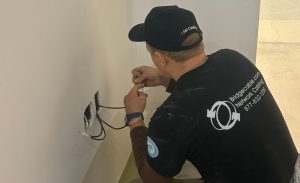
Low Voltage Tech
How Trade Schools Strengthen Low Voltage Education
Trade schools and vocational programs are essential for preparing students for low voltage careers. These programs emphasize practical skills—exactly what technicians need on the job. Students learn electrical codes, safety procedures, network cabling, and security system installation. This form of focused education ensures graduates are ready for real-world work as soon as they complete their training.
Many trade schools also partner with local companies, offering apprenticeships or cooperative work programs. This hands-on education provides students with both experience and confidence before entering the workforce full-time. In addition, students often earn certifications such as BICSI, NICET, or manufacturer-specific credentials, which significantly boost employability.
Benefits of Starting a Low Voltage Career Early
Beginning a low voltage career at a young age comes with several benefits. First, individuals gain years of experience early, making them strong candidates for leadership or specialized roles later. Second, entry-level positions in the industry are often well-paid, offering financial stability while continuing education or earning certifications.
Another benefit is the ability to test different specialties within the field. Low voltage includes structured cabling, fire alarm systems, audiovisual setups, access control, and security system programming. Early exposure through training and education helps young professionals discover the areas they’re most passionate about. This foundation leads to long-term career satisfaction and growth.

Hands On Education with a Tech
How to Get Started in Low Voltage
Here are the key steps for anyone wanting to begin a low voltage career early:
Explore Trade Schools and Vocational Programs
Seek out programs that focus on low voltage systems and practical education. Many offer hands-on training, certifications, and direct job placement.
Participate in Internships or Apprenticeships
Real-world experience is one of the most valuable forms of education. Many companies hire entry-level technicians who show interest and enthusiasm for the work.
Earn Certifications Early
Certifications in structured cabling, fire alarm systems, or security systems not only validate skills but also open the door to higher-paying jobs.
Network With Industry Professionals
Trade shows, industry groups, and local contractors can provide mentorship, recommendations, and job opportunities.
These steps ensure that young professionals enter the field confident, prepared, and able to build a strong foundation through practical experience and continuing education.
Overcoming Misconceptions About Low Voltage Careers
Some may assume low voltage work is “just wiring,” but the reality is far more complex. These roles require critical thinking, technical knowledge, safety training, and quality workmanship. With a combination of field experience and formal education, technicians can advance into supervisor, project manager, estimator, or even business owner positions.
Low voltage careers are highly professional and offer long-term growth. As technology continues to evolve, ongoing education keeps technicians sharp, competitive, and ready for advanced opportunities in the field.
Conclusion: Early Education Creates Strong Low Voltage Careers
Starting early in the low voltage and security industry provides major advantages. Trade schools, apprenticeships, and certification programs give students the hands-on experience, confidence, and education needed to succeed. With increasing demand across all sectors, the field offers long-term career growth, competitive pay, and diverse opportunities.
Whether you’re a high school student exploring future options, a recent graduate seeking a stable path, or a parent helping guide a child into a technical career, low voltage offers the perfect mix of hands-on work and technology. Early training and strong education set the stage for a successful and rewarding future.
For help with any project or installation in the New Jersey or Philadelphia area please call us at 877-832-1206.
For more ideas please visit – https://www.bridgecable.com/services/
For more information and educational content please visit:
https://www.youtube.com/@BridgeCable
Copyright © 2025 Bridge Cable. All rights reserved.
Mailing: 2745 Terwood Road, Willow Grove, PA 19090
Warehouse: 2066 W. Hunting Park Ave, STE 308, Philadelphia, PA 19140
Related Posts

Networking and Education: Our Experience at the 2025 ADI Philadelphia Expo

Ensuring Compliance: Precautionary Steps for Structured Cabling at Educational and Government Facilities