4 Ways Tariffs are Disrupting the Network Cabling Supply Chain
In an era of rapid digital transformation, network cabling remains the unsung hero of modern business infrastructure. Whether you’re upgrading a commercial space, expanding data capabilities, or building a smart facility from the ground up, a reliable cabling system is crucial. But in recent years, one factor has begun to disrupt the cabling industry in ways that can’t be ignored: tariffs.
Tariffs on imported goods—especially materials and components used in network systems—are introducing new challenges that businesses must account for in their budgeting, timelines, and supply strategies.
This article outlines four key reasons why tariffs are impacting the network cabling supply chain—and what you can do to stay ahead of the curve.
1. Rising Costs of Raw Materials
The most immediate and visible impact of tariffs is the increase in the cost of raw materials used in network cabling production. Copper, aluminum, and fiber—essential to most cable types—are globally sourced. When tariffs are imposed on countries that supply these materials, importers must pay significantly more to bring them into the U.S.
This cost increase eventually trickles down to the end user. Contractors, project managers, and business owners may find themselves paying more for the same job they budgeted for just months earlier. What was once a predictable expense is now a variable that needs to be tracked closely.

Network Cabling Supply Boxes
2. Delays in Delivery and Customs Processing
Beyond price hikes, tariffs can cause logistical slowdowns that affect delivery timelines. When new tariffs are introduced, shipments often get held up at ports due to added customs paperwork, new compliance checks, or confusion about updated regulations. These delays are particularly problematic for large-scale network cabling projects that require precision in scheduling across multiple vendors and contractors.
Even a short delay in cable delivery can push back an entire project, especially if your install is time-sensitive or part of a larger technology upgrade.
3. Limited Availability of Specialty Components
While basic cabling types like Cat5e or Cat6 are still widely produced, more specialized network cabling solutions—such as fiber optics with advanced shielding or fire-rated plenum cabling—often come from overseas manufacturers. When tariffs are placed on these specific product categories, some manufacturers reduce exports or stop shipping them to higher-tariff countries altogether.
This causes availability shortages that ripple across the industry, leading to longer lead times, backorders, and even the need to revise project specs mid-process. Companies may be forced to use lower-performance materials or delay installations until the right components are available.
4. Shifting Supplier Relationships and Sourcing Strategies
Tariffs not only affect the price and availability of network cabling, but they also force companies to shift sourcing strategies. Installers and distributors may need to find new suppliers in countries not affected by tariffs, which often means working with unfamiliar manufacturers, potentially lower-quality products, or vendors with longer delivery timelines.
This reshuffling increases the likelihood of miscommunication, ordering errors, or inconsistent quality in delivered materials. It also means businesses need to be more hands-on than ever before when managing procurement and installation.
Takeaway: Reevaluate your vendor relationships. Ask your suppliers where their materials are sourced from and whether they’ve made changes to avoid tariffs. Quality assurance should remain a top priority.
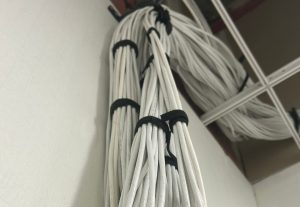
Structured Network Cabling
The Bottom Line
Tariffs are here to stay—at least for the foreseeable future—and their impact on the network cabling industry is real. From rising prices and delayed shipments to reduced availability and shifting supplier networks, every project now carries a layer of uncertainty that didn’t exist a few years ago.
The good news? With smart planning and proactive sourcing, businesses can still complete successful network installations on time and within budget.
What You Can Do Now:
-
Get multiple quotes to understand pricing differences caused by tariffs.
-
Order in advance to account for possible shipping and customs delays.
-
Talk to suppliers about where their products come from and how tariffs may impact them.
-
Consider domestic or tariff-exempt alternatives where possible to protect your project timeline and costs.
Start your planning early. Don’t let global trade surprises delay your local goals.
For help with any project or installation in the New Jersey or Philadelphia area please call us at 877-832-1206.
For more ideas please visit – https://www.bridgecable.com/services/
For more information and educational content please visit:
https://www.youtube.com/@BridgeCable
Copyright © 2025 Bridge Cable. All rights reserved.
Mailing: 2745 Terwood Road, Willow Grove, PA 19090
Warehouse: 2066 W. Hunting Park Ave, STE 308, Philadelphia, PA 19140
Related Posts

What to Expect During Commercial Cabling Projects

Top 10 Network Cabling Trends to Watch in 2026

