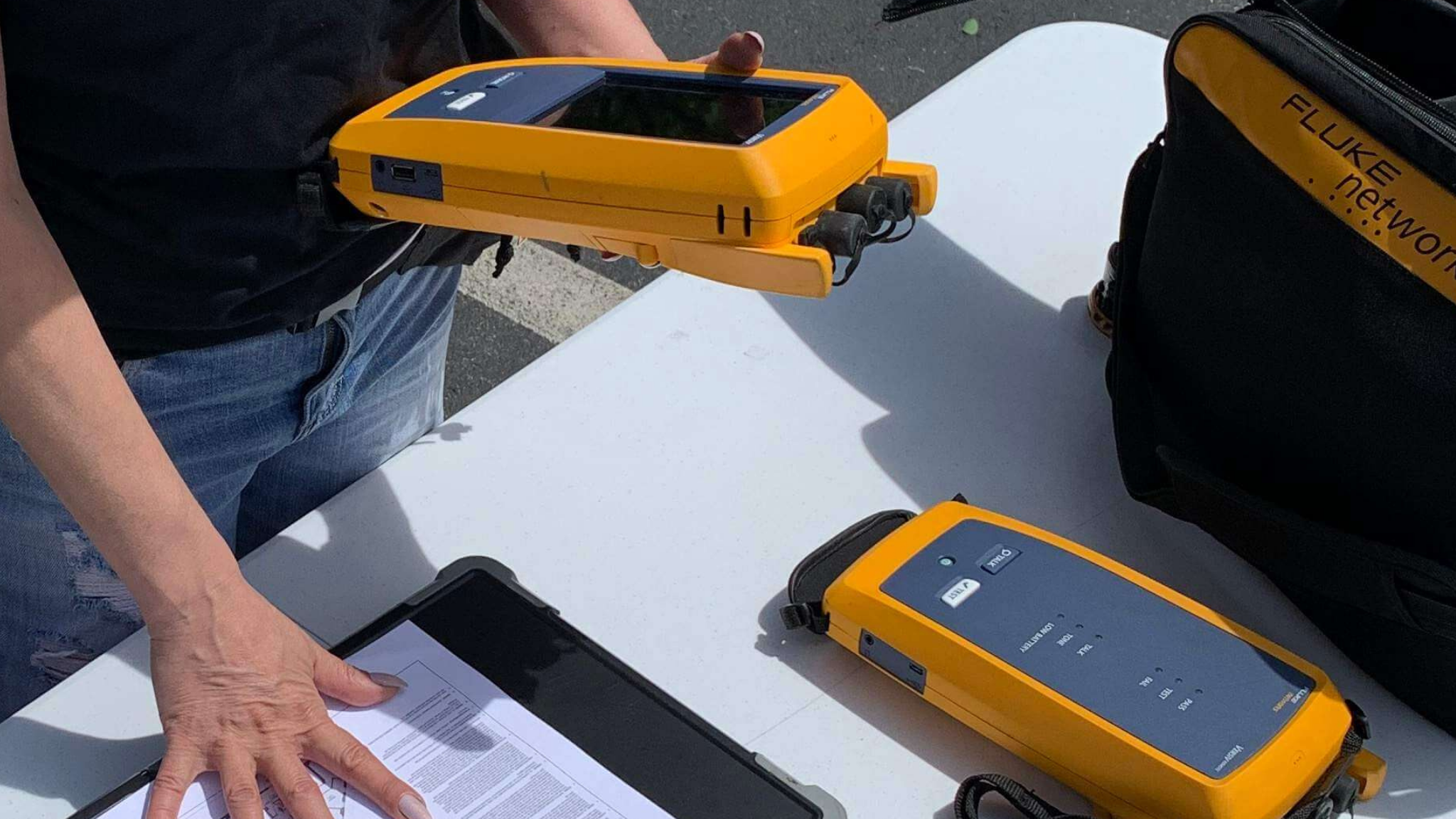
Cabling Safety Considerations When Working With Fiber Optic Cables
Working with fiber optic cabling requires precision, skill, and a strong understanding of cabling safety. Unlike traditional copper cables, fiber optics involve materials that can cause injury if mishandled and require stricter procedures during installation, preparation, and disposal. Whether you’re a technician in the field or managing a facilities upgrade, understanding the risks and proper practices ensures a safe and effective work environment.
Fiber optics transmit light rather than electricity, which creates unique safety challenges. While they don’t carry electrical current, they can still pose hazards if technicians overlook cabling safety. Glass strands can splinter, lasers can damage eyes, and improper handling can compromise network performance. Because of these unique risks, technicians must be trained and certified to handle fiber installations safely and correctly.
Fiber Optic Cable
One of the most important aspects of cabling safety with fiber optics is eye protection. Fiber systems use powerful lasers to transmit data, and even low-power light can be harmful. Invisible infrared light may not appear bright but can still injure the retina. Technicians should never look directly into a fiber line to check for signal. Instead, they must rely on proper test equipment such as optical power meters or visual fault locators with approved safety controls. This simple precaution helps prevent serious or permanent eye injuries on the job.
Another major concern in cabling safety is dealing with fiber scraps. When cutting and cleaving fiber strands, tiny glass fragments are produced. These shards can be extremely dangerous—they’re thin, sharp, and nearly invisible. They can easily embed into skin or eyes, and if swallowed accidentally, they can cause internal injuries. To manage this, workers must use designated disposal containers, typically lined with adhesive material that traps fiber pieces. Workstations should be cleaned frequently, and technicians should wash their hands after handling fibers to reduce exposure risks.
Good housekeeping practices are a cornerstone of cabling safety during fiber optic installations. Keeping the workspace organized prevents fibers from becoming contaminated, tangled, or broken. Proper labeling and routing also reduce trip hazards and accidental cable damage. Fiber cables are sensitive to crushing and bending, so maintaining clean pathways and avoiding unnecessary pressure is crucial. A tidy workspace doesn’t just protect workers—it also preserves the integrity of the network infrastructure being built.
Skin protection is another important element of cabling safety. Fiber shards and epoxy used during terminations can irritate skin or cause cuts. Technicians should wear gloves during splicing or termination, but they must choose the correct glove material. Cotton or nitrile gloves work best because they don’t shed lint that could contaminate fiber connections. Additionally, safety mats or pads help technicians maintain control over small parts and prevent lost fibers from spreading around the job site.
Ventilation also plays a role in cabling safety. Many fiber optic installation tasks involve the use of epoxy adhesives for connectors. Some of these substances release fumes that can be harmful if inhaled. Adequate airflow, exhaust systems, or fume hoods help protect technicians from long-term respiratory issues. Always review manufacturer guidelines for chemicals used in the process to ensure proper handling and storage.
Training and certification are essential components of cabling safety in fiber optics. Because fiber installations involve specialized tools—fusion splicers, cleavers, lasers, and inspection scopes—technicians must understand how to use them safely. Certification programs teach proper fiber handling techniques, hazard recognition, and safe work practices that reduce the likelihood of mistakes or injuries. In many jurisdictions, certification is required before a technician can legally work with fiber.
Fiber Optic Cabling Safety Training
Another overlooked aspect of cabling safety is proper personal protective equipment (PPE). Beyond gloves and eyewear, technicians may need protective clothing, lab coats, or aprons depending on the task. Worksites should always have first aid kits accessible, along with magnetized tools designed to help pick up stray fiber shards. Proper footwear also matters—non-slip boots reduce fall risks, especially in cluttered or tight installation environments.
Electrical hazards may not be as prominent in fiber work, but they do still exist. Many fiber installations occur in environments where copper cabling, electrical wiring, or network equipment is present. Practicing comprehensive cabling safety means being aware of nearby electrical systems and ensuring all power sources are properly managed before work begins. Even though fiber itself is non-conductive, tools and metallic hardware can still create risks if caution is not taken.
Network reliability is also connected to cabling safety. Mishandling fiber, bending it too sharply, or exposing connectors to dust can drastically reduce signal quality. Contaminated fiber ends are one of the most common causes of network failure. Technicians should use approved cleaning kits, inspection scopes, and protective caps to maintain signal integrity. Safe handling leads to stronger performance and long-lasting installations.
Finally, disposal and cleanup complete the cabling safety cycle. All fiber scrap containers must be sealed and clearly labeled before being thrown away. Tools must be cleaned and stored properly to prevent leftover fragments from causing injuries later. Technicians should perform final inspections of the area to ensure no hazardous materials remain behind. Maintaining safety throughout the entire process protects both the current crew and anyone who enters the workspace afterward.
For help with any project or installation in the New Jersey or Philadelphia area please call us at 877-832-1206.
For more ideas please visit – https://www.bridgecable.com/services/
For more information and educational content please visit:
https://www.youtube.com/@BridgeCable
Copyright © 2025 Bridge Cable. All rights reserved.
Mailing: 2745 Terwood Road, Willow Grove, PA 19090
Warehouse: 2066 W. Hunting Park Ave, STE 308, Philadelphia, PA 19140
Related Posts

Fiber Optic Cabling Types Explained: Single-Mode vs Multi-Mode
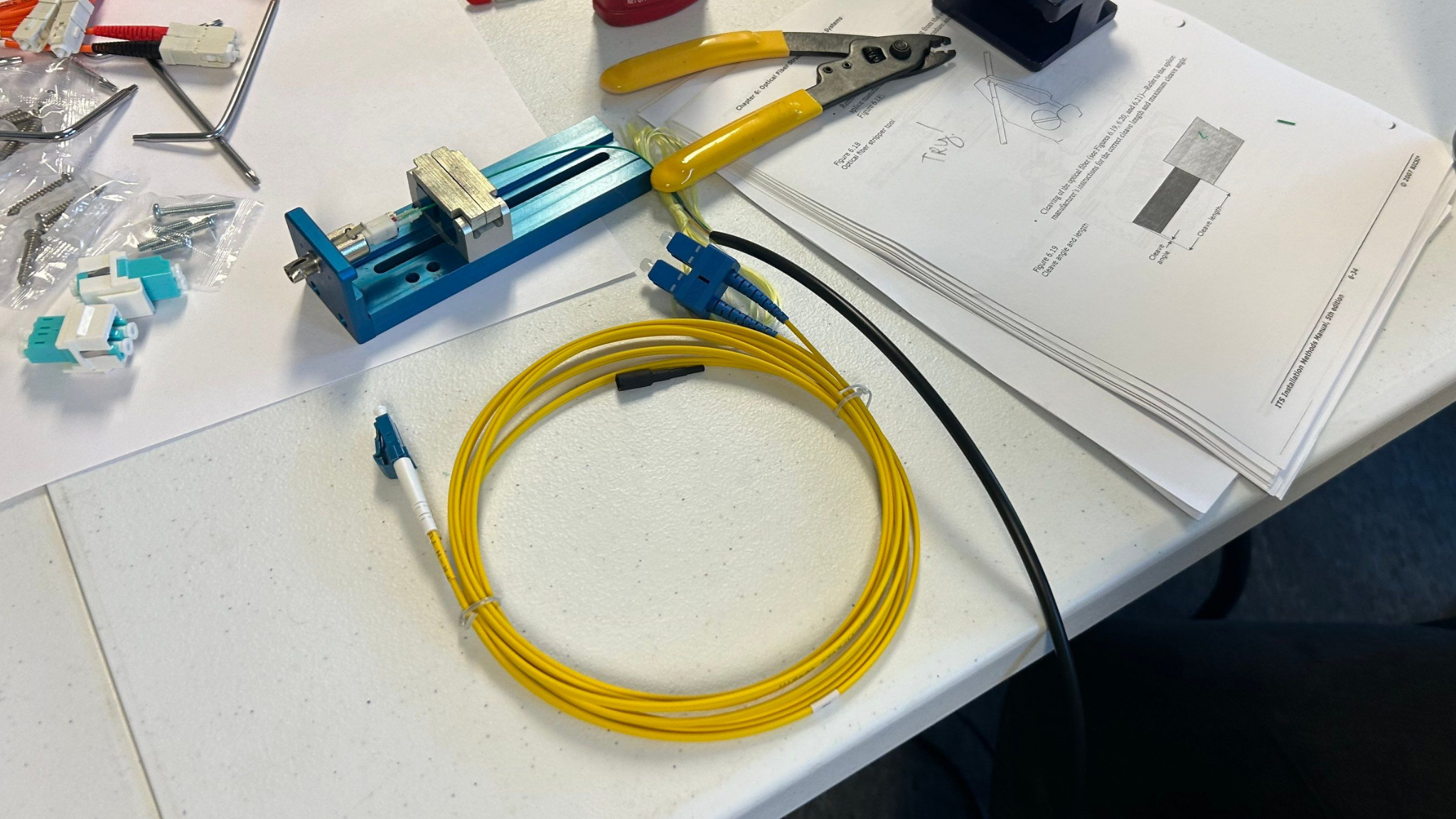
Prevent 911 Outages with Stronger Fiber Optic Cabling Networks