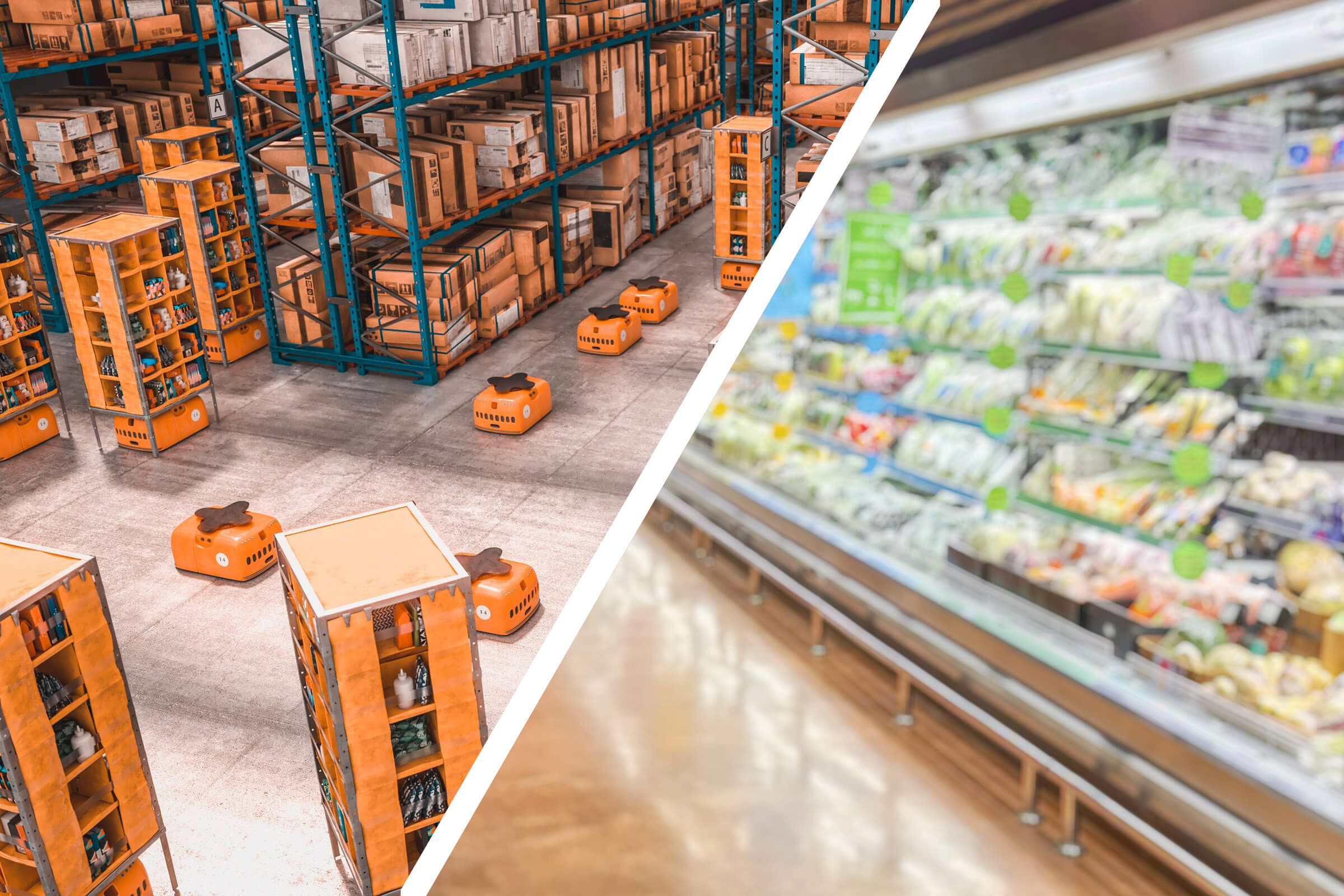
Best Network Cabling Practices for Retail Business Success
In today’s fast-paced retail environment, reliable network infrastructure is critical for seamless operations, customer satisfaction, and business growth. Whether it’s point-of-sale systems, inventory tracking, or online transactions, retail businesses depend on robust network connectivity to function efficiently. Poor network performance can lead to slow checkouts, inventory errors, and dissatisfied customers. One of the most often overlooked aspects of a successful retail operation is network cabling. Implementing best practices for cabling ensures stable connections, improved data flow, and long-term scalability, which are essential for success.
Plan Your Network Layout Carefully
Before installing any cabling, retail businesses must plan their network layout in detail. This includes mapping out the locations of POS terminals, inventory scanners, back-office computers, and security cameras. In retail environments, Wi-Fi coverage can be inconsistent, so combining wired Ethernet connections with strategically placed wireless access points often produces the most reliable results. Planning your network layout in advance allows your cabling system to support current needs while leaving room for expansion as the retail business grows.
Choose the Right Cable Type
Selecting the appropriate cable type is a critical step for retail network reliability. Cat5e, Cat6, and Cat6a cables are the most common, each offering different performance levels. Cat6 or Cat6a is ideal for retail environments with high data traffic, such as multiple POS terminals, IP cameras, and cloud-based inventory systems. Fiber optic cabling may also be necessary for long-distance connections between locations or in large stores. Choosing the right cable ensures your network can handle high-volume transactions without lag or connectivity issues.

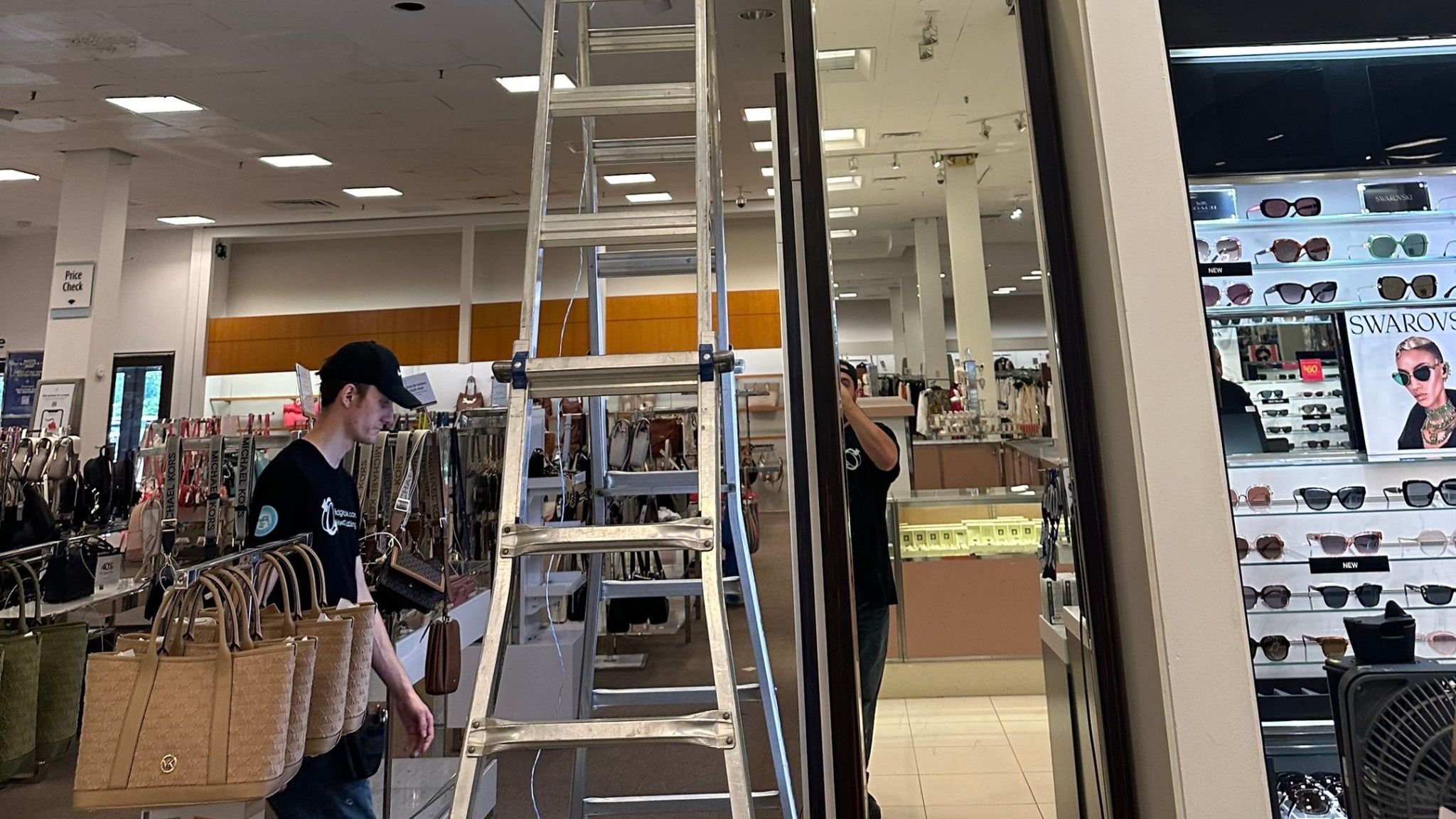
Technician On Site at a Retail Store
Prioritize Structured Cabling
Structured cabling is a standardized approach that organizes cables, connectors, and pathways for efficiency and flexibility. For businesses, structured cabling reduces maintenance time, simplifies troubleshooting, and enhances overall reliability. It allows for easier upgrades, such as adding new POS stations, security systems, or Wi-Fi access points. Structured cabling also improves aesthetics in retail stores, keeping cables hidden and preventing hazards that could affect employees and customers alike.
Maintain Proper Cable Management
Proper cable management is essential to prevent tangling, interference, and accidental damage. Use cable trays, raceways, and labeling systems to keep retail network cables organized. Labeling every cable and port makes troubleshooting faster and helps IT teams identify issues quickly. In busy shopping environments, where staff may move equipment or reconfigure terminals, well-managed cabling reduces downtime and ensures the network remains reliable.
Implement Redundancy and Scalability
Retail businesses often rely on multiple systems operating simultaneously, from payment processing to inventory management. Implementing redundancy in cabling, such as backup pathways or dual connections for critical systems, ensures minimal disruption in case of a failure. Scalability is equally important: as retail businesses grow, the network must accommodate additional terminals, devices, or locations. Planning for future expansion during the initial cabling installation reduces long-term costs and improves operational efficiency.

Retail Business Job Site
Ensure Proper Grounding and Protection
Electrical interference and power surges can disrupt network connectivity and damage equipment. Businesses should ensure all network cables are properly grounded and shielded where necessary. Using surge protectors, uninterruptible power supplies (UPS), and grounding methods reduces the risk of downtime caused by electrical issues. Protecting your network cabling safeguards sensitive systems, including customer payment data and inventory databases.
Regular Testing and Maintenance
Even the best cabling can degrade over time or be affected by environmental factors. Regular testing and maintenance are essential for retail businesses to ensure continuous network performance. Tools like cable testers, network analyzers, and visual inspections can detect faults, signal degradation, or improper terminations before they impact daily operations. Scheduled maintenance not only improves reliability but also extends the life of your cabling infrastructure.
Consider Wireless Integration Carefully
While wired connections are more reliable for retail businesses, wireless connectivity remains critical for mobile POS systems, tablets, and guest Wi-Fi. Ensure that cabling supports sufficient bandwidth for access points and that Wi-Fi coverage is consistent across all areas. Proper placement of access points, combined with high-quality cabling, creates a seamless network experience for both employees and customers.
Work With Experienced Professionals
Network cabling installation and maintenance require specialized skills. Retail businesses should work with certified installers or network professionals to ensure proper design, installation, and compliance with safety standards. Professional installers can recommend the best cabling types, structured layouts, and redundancy measures tailored to the retail environment. Investing in expertise upfront reduces costly mistakes and improves long-term network reliability.
Future-Proof Your Retail Network
Technology in the retail sector evolves rapidly, from contactless payment systems to advanced inventory tracking and smart store technologies. Designing a cabling infrastructure with future-proofing in mind helps businesses adopt new innovations without significant rewiring. High-quality cables, structured layouts, and scalable designs make it easier to integrate emerging technologies and maintain competitive advantage in a fast-moving retail market.
Strong Cabling Drives Retail Success
Effective network cabling is a cornerstone of retail business success. From planning and installation to maintenance and future-proofing, following best practices ensures a reliable, high-performance network. Businesses that invest in structured, scalable, and properly managed cabling experience fewer disruptions, faster data transmission, and smoother operations. By prioritizing network infrastructure, managers and IT teams can create an environment that supports growth, enhances customer experience, and positions the business for long-term success.
For help with any project or installation in the New Jersey or Philadelphia area please call us at 877-832-1206.
For more ideas please visit – https://www.bridgecable.com/services/
For more information and educational content please visit:
https://www.youtube.com/@BridgeCable
Copyright © 2026 Bridge Cable. All rights reserved.
Mailing: 2745 Terwood Road, Willow Grove, PA 19090
Warehouse: 2066 W. Hunting Park Ave, STE 308, Philadelphia, PA 19140
Related Posts
Security Camera Installation: King of Prussia Mall Safety

The Significance of a Security Camera Installation in Retail