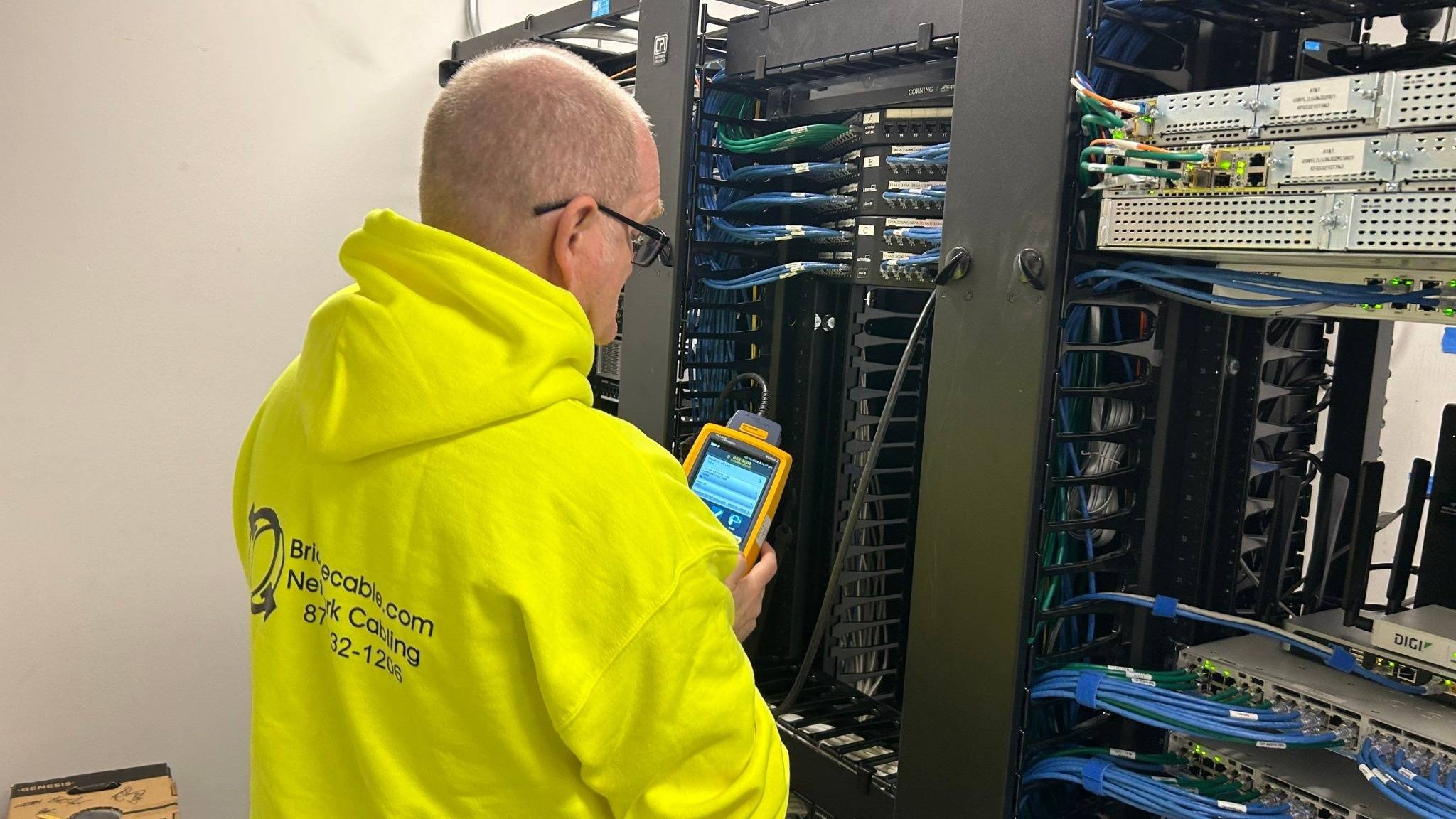
Getting Into Low Voltage Careers Through Trade Schools
The demand for skilled technicians in the security and low voltage industry continues to grow across the United States. From access control systems and video surveillance to structured cabling and fiber optic networks, businesses depend on trained professionals to install and maintain critical infrastructure. One of the best ways to address the industry’s workforce shortage is by introducing Low Voltage Careers to students at an early age through trade schools and vocational programs.
Why the Industry Needs New Talent

A team celebrates a technician’s successful completion of structured cabling training and industry certification, highlighting professional growth and technical excellence.
Many experienced technicians are approaching retirement, creating a growing need for the next generation of professionals. At the same time, technology is becoming more advanced, increasing demand for individuals who understand networking, security systems, and communications infrastructure.
Unlike many traditional career paths that require a four-year college degree, Low Voltage Careers offer an opportunity to enter a high-demand field through practical, hands-on training. Students can develop valuable technical skills while avoiding significant student loan debt.
The Role of Trade Schools
Trade schools provide students with direct exposure to the skills needed in today’s workforce. Programs focused on electrical systems, networking, telecommunications, and security technology give students a strong foundation before they enter the job market.
Many vocational programs include training in:
- Network cabling installation
- Fiber optic systems
- Video surveillance systems
- Access control technologies
- Wireless networking
- Telecommunications infrastructure
- Safety standards and industry best practices
These programs allow students to gain real-world experience while learning from industry professionals. As a result, graduates are often prepared to begin Low Voltage Careers immediately after completing their education.
Introducing Students to the Industry Earlier

An instructor demonstrates electrical systems and wiring concepts to prospective students during a hands-on tour of a technical training facility.
Career awareness should begin long before graduation. High schools can play a significant role by partnering with local contractors, integrators, and technology companies to introduce students to opportunities within the low voltage industry.
Job shadowing programs, internships, and hands-on workshops can help students understand what daily work looks like. Many young people are unaware that Low Voltage Careers offer excellent earning potential, advancement opportunities, and exposure to cutting-edge technology.
By creating stronger connections between schools and employers, students can explore career paths that align with their interests and strengths.
Career Opportunities in Low Voltage and Security
The industry offers a wide variety of career options. Entry-level positions can lead to specialized technical roles, project management opportunities, and leadership positions.

Technicians install and position a network rack as part of a structured cabling and network infrastructure deployment project.
Common career paths include:
- Security System Technician
- Access Control Technician
- Video Surveillance Installer
- Structured Cabling Technician
- Fiber Optic Technician
- Network Infrastructure Specialist
- Project Manager
- Field Service Technician
As technology continues to evolve, professionals pursuing Low Voltage Careers often have opportunities to expand their expertise and increase their earning potential through certifications and advanced training.
Benefits for Employers
Employers also benefit when trade schools actively promote workforce development. Partnerships with vocational programs help create a pipeline of qualified candidates who already possess foundational technical knowledge.
Companies that support apprenticeships, internships, and mentorship programs help strengthen the future of the industry while building a reliable workforce. Investing in young talent today helps ensure the long-term success of Low Voltage Careers tomorrow.
Building the Future Workforce
A network cabling technician carefully measures and prepares rack components to ensure accurate installation and proper equipment fitment.
The security and low voltage industry offers rewarding career opportunities for individuals who enjoy technology, problem-solving, and hands-on work. By introducing students to these opportunities early and supporting trade school programs, the industry can attract the next generation of skilled professionals.
As demand for security systems, network infrastructure, and connected technologies continues to grow, Low Voltage Careers will remain an essential part of the modern workforce. Encouraging young people to explore these professions today helps build a stronger and more capable industry for the future.
For help with any project or installation in the New Jersey or Philadelphia area please call us at 877-832-1206.
For more ideas please visit – https://www.bridgecable.com/services/
For more information and educational content please visit:
https://www.youtube.com/@BridgeCable
Copyright © 2026 Bridge Cable. All rights reserved.
Mailing: 2745 Terwood Road, Willow Grove, PA 19090
Warehouse: 2066 W. Hunting Park Ave, STE 308, Philadelphia, PA 19140
Related Posts
How Weather Extremes Affect Your Security Surveillance

Fiber Optic Contractor Demand Soars This July