5 Questions to Ask Before Hiring a Fiber Optic Installer
Upgrading your network or installing new connectivity infrastructure is a major investment. Whether it’s for a commercial building, data center, or large venue, the quality of your network depends heavily on who installs it. Hiring a professional fiber optic installer ensures that your cabling is reliable, efficient, and future-proof. But not all installers are created equal. To help you make the right choice, here are five essential questions to ask before bringing a fiber optic installer onto your project.
1. Are You Certified and Experienced?
The first question to ask any potential fiber optic installer is about certification and experience. Fiber optic installation is highly technical, requiring knowledge of signal types, splicing, testing, and structured cabling standards. Ask about:
-
Relevant certifications
-
Previous projects similar to yours
A qualified fiber optic installer will be able to explain the difference between single-mode and multi-mode fiber, provide examples of past work, and demonstrate familiarity with industry standards. Experience matters because mistakes in installation can lead to costly downtime, poor signal quality, or frequent maintenance issues.
2. What Testing and Quality Assurance Do You Provide?
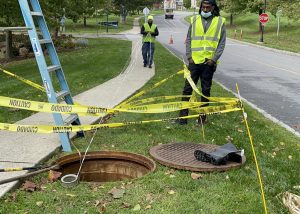
Fiber Optic Cable Installer on Site
A professional fiber optic installer doesn’t just run cables; they also ensure the network functions perfectly before handing the project off. Ask about their testing and quality assurance procedures, including:
-
OTDR testing (Optical Time-Domain Reflectometer)
-
Power meter and light source testing
Quality assurance guarantees that each fiber strand is operating within specifications. It also prevents issues like signal loss or unexpected downtime. A reputable fiber optic installer should be transparent about testing procedures and willing to provide documented results for your records.
3. Can You Handle Structured Cabling and Future-Proofing?
Modern networks aren’t just about connecting devices—they need to support growing demands for bandwidth and new technologies. Ask a fiber optic installer how they approach structured cabling and future-proofing your network. Key considerations include:
-
Cable management and labeling
-
Scalability for future network expansion
-
Compatibility with VoIP, Wi-Fi, and high-speed data systems
Structured cabling ensures that your fiber network remains organized, easy to maintain, and adaptable as technology evolves. A skilled fiber optic installer can design a system that supports your current needs while minimizing the cost and disruption of future upgrades.
4. What Is Your Approach to Project Management?
A well-executed fiber optic installation requires more than technical skill, it needs effective project management. Ask your fiber optic installer about how they handle:
-
Project timelines and milestones
-
Coordination with other contractors or vendors
Strong project management reduces downtime, keeps the installation on schedule, and ensures that all team members understand their roles. A fiber optic installer who communicates clearly and proactively will save you time during installation and beyond.
5. Do You Offer Ongoing Support and Maintenance?
Even after a fiber optic network is installed, maintenance and support are critical. Ask whether the installer offers:
-
Warranty or service guarantees
-
Troubleshooting support for network issues
-
Scheduled inspections or maintenance
Networks require regular monitoring to prevent downtime and ensure optimal performance. A fiber optic installer who provides ongoing support can quickly address issues before they impact operations, giving you peace of mind and protecting your investment.
Choosing the Right Fiber Optic Installer Matters
Hiring a fiber optic installer isn’t just a technical decision, it’s an investment in your network’s long-term performance. By asking about certification, testing, structured cabling, project management, and ongoing support, you can ensure that your network will be reliable, efficient, and future-ready. Taking the time to vet your installer carefully protects your business, reduces downtime, and helps your team take full advantage of modern connectivity.
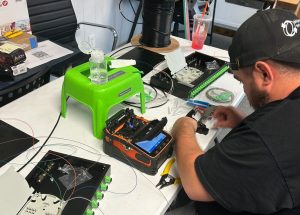
Certified Fiber Optic Installer
Your choice of a fiber optic installer can make the difference between a smooth installation that supports business growth and a network plagued with issues. When in doubt, partner with an experienced provider who prioritizes quality, documentation, and long-term support. The right installer ensures that your fiber optic network delivers fast, reliable, and future-proof connectivity for years to come.
At Bridge Cable, we understand how critical it is to have a reliable, professional fiber optic installer for any project, big or small. Our team of certified experts provides full-service solutions, from structured cabling design and installation to testing, certification, and ongoing maintenance. By partnering with Bridge Cable, businesses can ensure their fiber optic networks are not only installed correctly but are also scalable and future-proof. Trusting experienced fiber optic installers means your network will deliver the high-speed, dependable connectivity your organization needs to stay competitive in today’s digital landscape.
For help with any project or installation in the New Jersey or Philadelphia area please call us at 877-832-1206.
For more ideas please visit – https://www.bridgecable.com/services/
For more information and educational content please visit:
https://www.youtube.com/@BridgeCable
Copyright © 2026 Bridge Cable. All rights reserved.
Mailing: 2745 Terwood Road, Willow Grove, PA 19090
Warehouse: 2066 W. Hunting Park Ave, STE 308, Philadelphia, PA 19140
Related Posts

Fiber Optic Contractor: Why They Are Becoming the Standard in Pennsylvania
Fiber Optic Contractor Demand Soars This July