The Truth About Data Center Security and AWS Blackout
When the internet went dark on Monday, millions around the world felt the effects. The massive disruption traced back to a single Amazon Web Services (AWS) data center in Northern Virginia, where a minor DNS error spiraled into one of the largest internet blackouts of the year. Slack, Zoom, Reddit, Coinbase, Delta, and even The New York Times went offline or experienced severe degradation. The event underscored a powerful truth: data centers are the backbone of modern connectivity—and even a small malfunction can have global consequences.
The incident, caused by an obscure glitch in AWS’s DynamoDB database, rippled across countless systems in just minutes. It exposed how deeply our lives depend on stable infrastructure and reliable network pathways. Beyond software and cloud configurations, one of the most critical—and often overlooked—components in keeping data centers secure and functional is network cabling.
The Role of Network Cabling in Data Centers
Network cabling forms the physical foundation that connects servers, switches, and routers within data centers. Each cable carries vast amounts of information—financial transactions, social communications, streaming data, and critical security processes—through miles of fiber and copper wiring. When cabling systems are poorly managed, improperly shielded, or inadequately labeled, data flow becomes vulnerable to interference, errors, and downtime.
In today’s hyperconnected world, data centers handle extraordinary volumes of digital information every second. That’s why structured and secure cabling design isn’t optional—it’s essential. High-quality cables, clean installations, and proper routing prevent issues like crosstalk, signal loss, and overheating that could lead to service outages similar to what occurred with AWS.
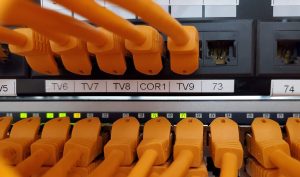
Cables for a Data Center
Why Cabling Security Matters
Physical security in data centers goes beyond access badges and cameras. Secure network cabling ensures data integrity and minimizes risks of tampering or physical disruption. A compromised cable can lead to packet loss, reduced speeds, or even expose sensitive information if not properly shielded.
The AWS incident demonstrated how interconnected global systems have become. One misstep or malfunction—whether software-based or physical—can affect millions of users. This is why technicians and IT teams implement redundant cabling systems in data centers. Redundant paths allow data to reroute if one link fails, ensuring continuous operation even during maintenance or localized faults.
Additionally, cable management systems are crucial for preventing accidental damage. In complex data centers, hundreds of cables weave through racks and conduits. Without proper labeling, mapping, and organization, identifying a single fault becomes a time-consuming nightmare. A structured cabling system allows for faster troubleshooting and safer maintenance, keeping downtime to a minimum.
Lessons from the AWS Blackout
The Northern Virginia AWS outage served as a wake-up call for how fragile digital infrastructure can be. With AWS controlling nearly 30% of the global cloud market, the domino effect of a single DNS glitch was staggering. For 15 hours, major communication tools and financial systems were disrupted, costing billions of dollars.
While the issue stemmed from a software configuration, it emphasized the importance of redundancy and stability in every layer of data centers—from virtual systems to physical cabling. A robust cabling framework ensures that alternate pathways remain operational even if a server, switch, or segment goes offline.
Another takeaway is the need for regular inspection and testing of cabling infrastructure. Over time, cables can degrade, connectors can loosen, and electromagnetic interference can build up. Periodic testing and maintenance help prevent performance drops that could escalate into larger outages.

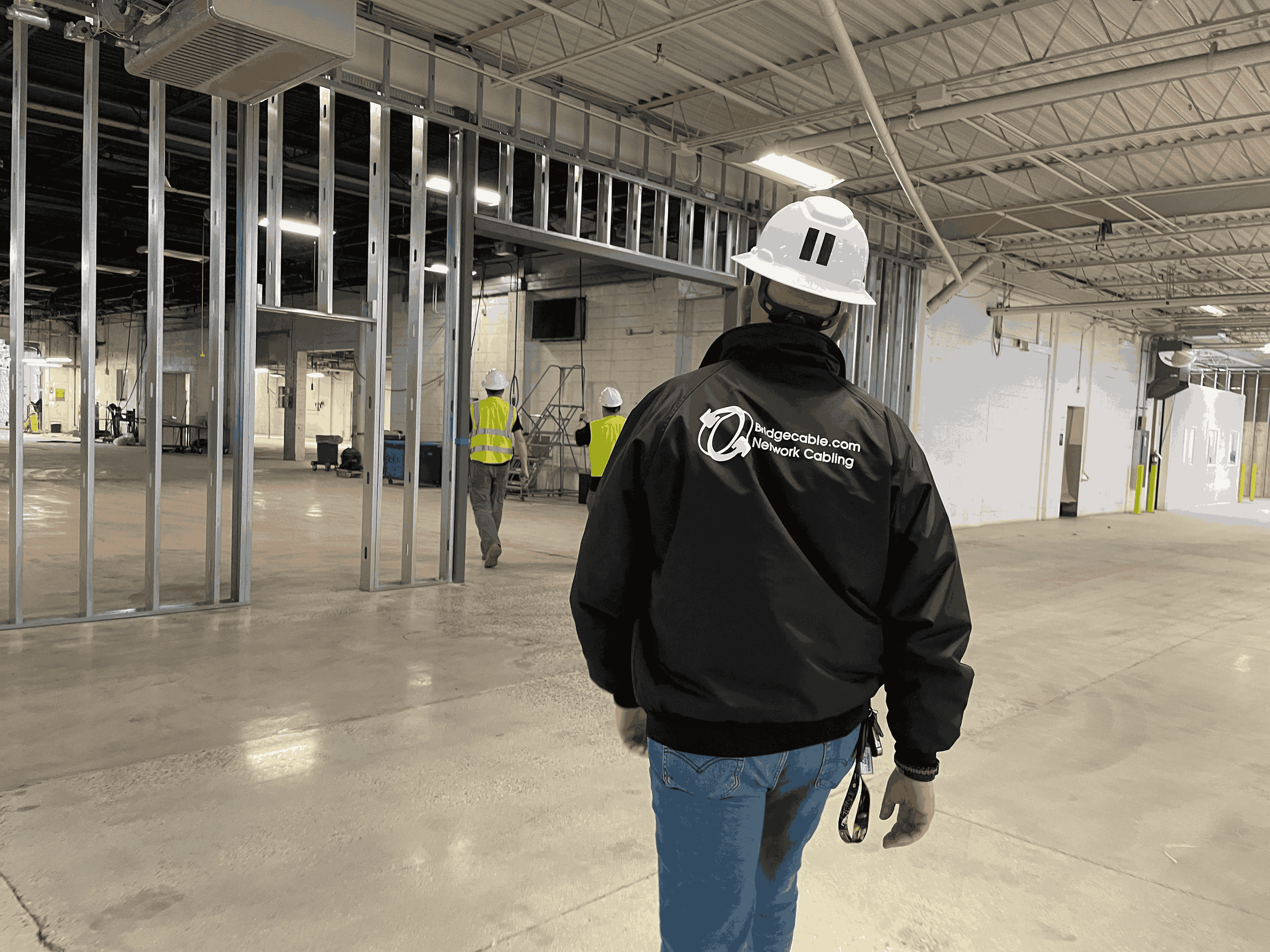
Network Cabling Techs Supplying the Site
Designing Reliable Cabling Systems in Data Centers
Building resilient data centers starts with designing a structured cabling system that supports scalability, flexibility, and security. Here are key practices used by industry leaders:
-
Use High-Quality Materials: Fiber optic cabling provides superior speed and resistance to interference compared to traditional copper cables. It’s ideal for high-demand environments like data centers.
-
Implement Redundancy: Design multiple routes for power and data. If one fails, another takes over automatically.
-
Ensure Proper Labeling: Every cable, connector, and port should be clearly labeled for quick identification.
-
Temperature and Airflow Management: Bundled cables can generate heat. Proper spacing and ventilation prevent overheating and potential data transmission issues.
-
Regular Maintenance: Scheduled inspections catch early signs of damage or wear that could lead to failures.
These best practices ensure that data centers remain efficient and secure, minimizing the risk of cascading failures that can affect millions.
Why the World Relies on Data Centers
Every email sent, video streamed, or file uploaded relies on the invisible power of data centers. They enable global communication, business operations, and digital innovation. As our reliance on the cloud grows, so does the need for bulletproof infrastructure—both virtual and physical.
The AWS outage revealed a deeper truth: even the world’s most advanced data centers are not immune to small mistakes. A single point of failure, like a DNS misconfiguration or damaged cable, can paralyze entire industries. This reinforces the need for layered protection—strong network cabling, redundant systems, continuous monitoring, and expert oversight.
Preventing the Next Blackout
The global internet blackout linked to AWS’s Northern Virginia data center serves as a stark reminder of how fragile our digital ecosystem can be. In an era where data centers power nearly every aspect of life and business, secure and reliable network cabling is no longer a behind-the-scenes detail—it’s a frontline defense against costly downtime and security threats.
As technology continues to advance, companies must invest in structured cabling systems that ensure data integrity, scalability, and resilience. Because in the interconnected web of data centers that drives the modern world, even the smallest error can cause a ripple felt across the globe.
For help with any project or installation in the New Jersey or Philadelphia area please call us at 877-832-1206.
For more ideas please visit – https://www.bridgecable.com/services/
For more information and educational content please visit:
https://www.youtube.com/@BridgeCable
Copyright © 2025 Bridge Cable. All rights reserved.
Mailing: 2745 Terwood Road, Willow Grove, PA 19090
Warehouse: 2066 W. Hunting Park Ave, STE 308, Philadelphia, PA 19140
Related Posts
How Distribution Centers Depend on Reliable Structured Cabling Services for Peak Performance

How Data Centers Have Changed Over Time

