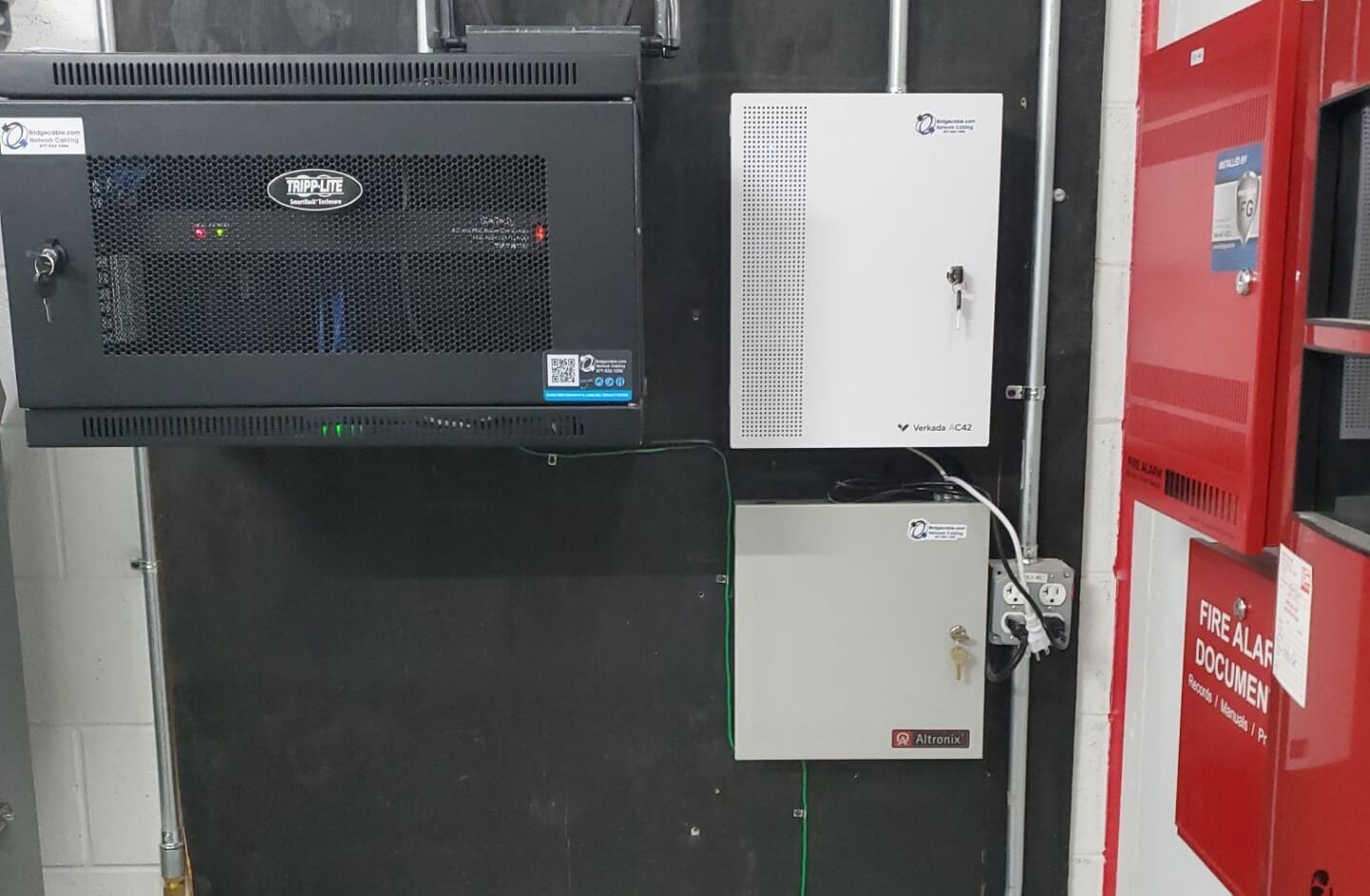
What Is Hybrid Access Control and How Does It Work?
Every organization managing physical security eventually hits the same fork in the road: keep everything running on a local server, or move it all to the cloud. Hybrid access control offers a third path. It blends the reliability of on-premise hardware with the flexibility of cloud-based management, and it’s quickly becoming the preferred approach for organizations that don’t want to choose one extreme over the other.
What Is Hybrid Access Control?
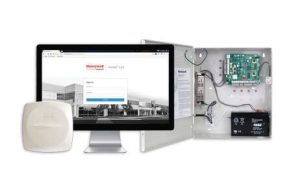
The Honeywell NetAXS-123 access control system pairs a web-based management portal with a compact, expandable control panel — giving smaller sites the same networked oversight as larger enterprise deployments.
Hybrid access control is a security architecture that pairs an on-site access control panel or server with cloud-based software for monitoring, updates, and remote management. Credentials, door schedules, and unlock logic still live locally at the panel, so doors keep functioning even if the internet connection drops. At the same time, administrators can manage users, pull reports, and receive alerts from anywhere through a cloud dashboard or mobile app. In short, hybrid access control gives you local resilience with cloud-level convenience, instead of forcing a tradeoff between the two.
How Hybrid Access Control Works
A hybrid access control deployment typically starts with the same core hardware as a traditional system: door controllers, readers, and locks wired to a local panel. What changes is where the intelligence and interface live. The local panel handles real-time decisions — unlocking a door for a valid badge, triggering an alarm on a forced entry — without waiting on a network round trip. That local panel then syncs continuously with a cloud platform, pushing activity logs up and pulling down credential updates, schedule changes, or lockdown commands issued remotely. Because hybrid access control keeps decision-making at the edge, a lost internet connection or a cloud outage doesn’t leave doors unsecured; it simply pauses the sync until connectivity returns.
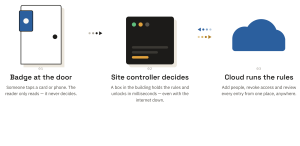
In a hybrid access control setup, the door’s local controller makes the unlock decision in milliseconds — even if the internet goes down — while the cloud handles user management, scheduling, and audit logs from anywhere.
Key Benefits of Hybrid Access Control
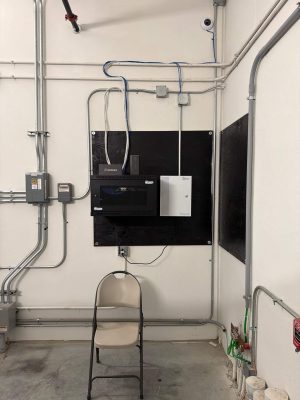
A typical low-voltage equipment closet, where the access control panel shares wall space with the network switch, modem, and structured cabling that keep a hybrid access control system talking to the cloud.
Resilience during outages. Because critical logic runs locally, hybrid access control keeps doors operating correctly even when the internet, the cloud provider, or the building’s network goes down — something purely cloud-native systems can struggle with.
Remote management at scale. Security teams overseeing multiple buildings or campuses can add users, adjust schedules, and pull audit reports from a single cloud dashboard, without driving to each site or touching a local panel directly. This is one of the strongest selling points of hybrid access control for multi-location organizations.
Lower risk during migration. Many organizations adopt hybrid access control as a bridge strategy, letting them modernize a legacy on-premise system in phases rather than ripping out working hardware all at once.
Better bandwidth efficiency. Since real-time access decisions don’t depend on constant cloud communication, hybrid access control can operate reliably on modest network connections, syncing data in the background instead of streaming every event live.
Flexible integration. A hybrid access control platform can often bridge older on-premise hardware with newer cloud-based tools like visitor management, video surveillance, and mobile credentials, extending the life of existing investments.
Common Use Cases
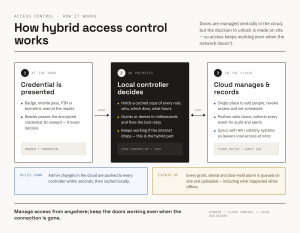
How hybrid access control works: a badge at the door, a local site controller that makes the real-time decision, and a cloud platform that lets you manage every site from one dashboard.
Hybrid access control tends to show up wherever an organization needs both dependability and reach. Multi-site retail chains use it to manage dozens of storefronts from one dashboard while keeping each location’s doors functional if a single site loses connectivity. Healthcare facilities lean on hybrid access control to satisfy compliance requirements that call for local audit trails, while still giving security staff centralized, real-time visibility. Universities and corporate campuses often adopt hybrid access control during phased renovations, gradually converting buildings from legacy card systems to cloud-managed credentials without a disruptive, all-at-once cutover.
What to Consider Before Implementing Hybrid Access Control
Existing infrastructure. Audit your current panels and wiring before committing to hybrid access control — some legacy hardware can be integrated with a cloud layer through a gateway or controller upgrade, while other equipment may need full replacement.
Vendor lock-in. Not every hybrid access control platform plays well with third-party hardware or software. Ask vendors directly how open their APIs and integrations are before signing a contract.
Network and IT support. Hybrid access control still depends on a stable local network for syncing, so make sure your IT team is equipped to maintain firewalls, VPNs, and cloud connectivity alongside the physical security hardware.
Data governance and compliance. Because hybrid access control stores some data locally and some in the cloud, confirm where credential data, video, and audit logs actually live, especially if your industry has strict data residency or retention requirements.
Total cost of ownership. Weigh installation and hardware costs against the ongoing subscription fees common to hybrid access control platforms. A phased hybrid approach is often cheaper upfront than a full cloud migration, but recurring software costs add up over the life of the system.
Bringing It All Together

Bridgecable.com technicians head to the next work area during a network cabling installation.
Hybrid access control isn’t a compromise so much as a deliberate strategy — one that lets organizations keep the dependability of local hardware while gaining the convenience, scalability, and remote visibility of the cloud. For any organization weighing a security upgrade, especially one managing multiple sites or migrating away from legacy equipment, hybrid access control is worth a serious look before jumping straight to an all-cloud or all-on-premise solution.
For help with any project or installation in the New Jersey or Philadelphia area please call us at 877-832-1206.
For more ideas please visit – https://www.bridgecable.com/services/
For more information and educational content please visit:
https://www.youtube.com/@BridgeCable
Copyright © 2026 Bridge Cable. All rights reserved.
Mailing: 2745 Terwood Road, Willow Grove, PA 19090
Warehouse: 2066 W. Hunting Park Ave, STE 308, Philadelphia, PA 19140
Related Posts
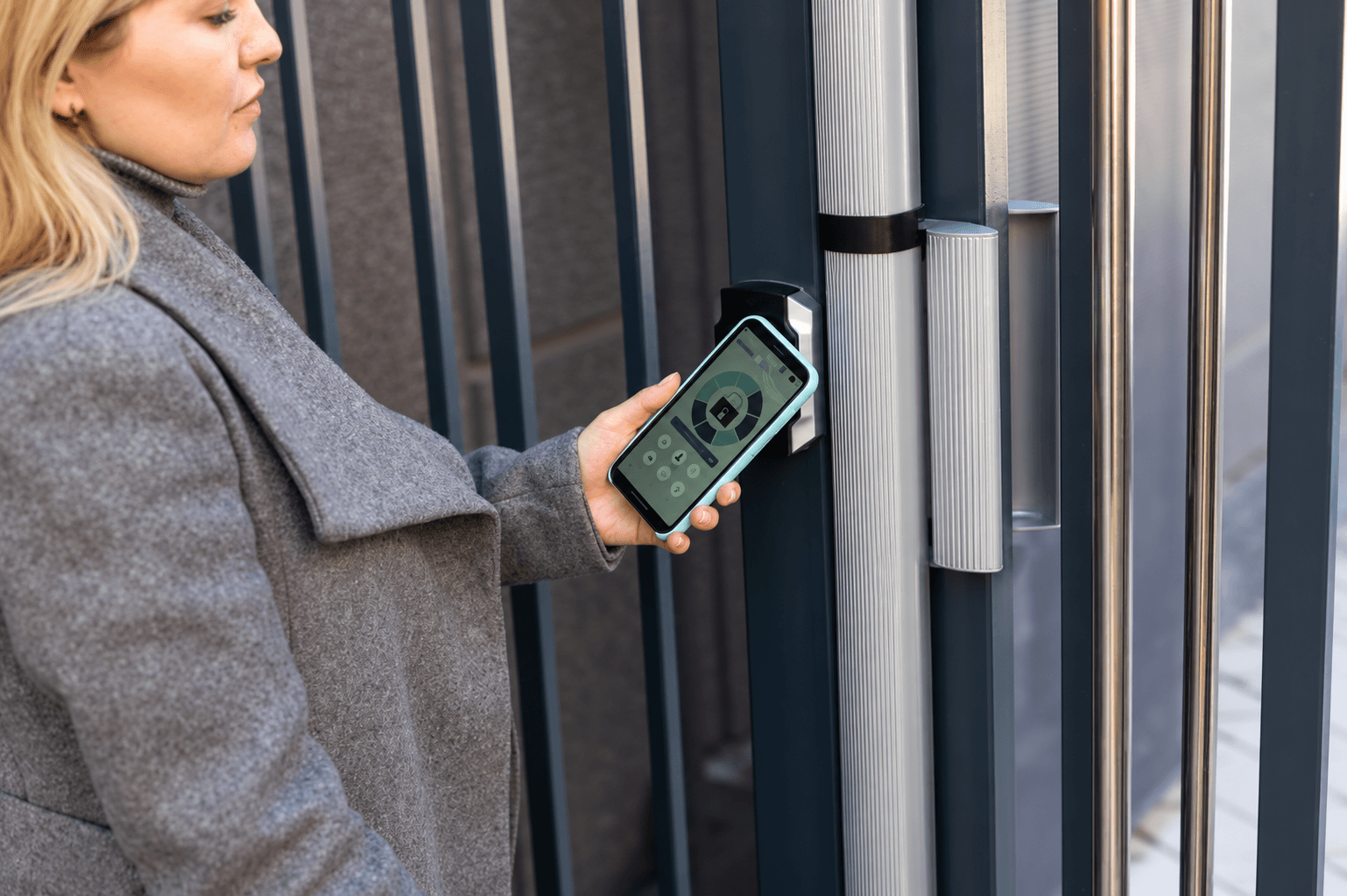
What’s New in Hotel Keyless Entry Technology?
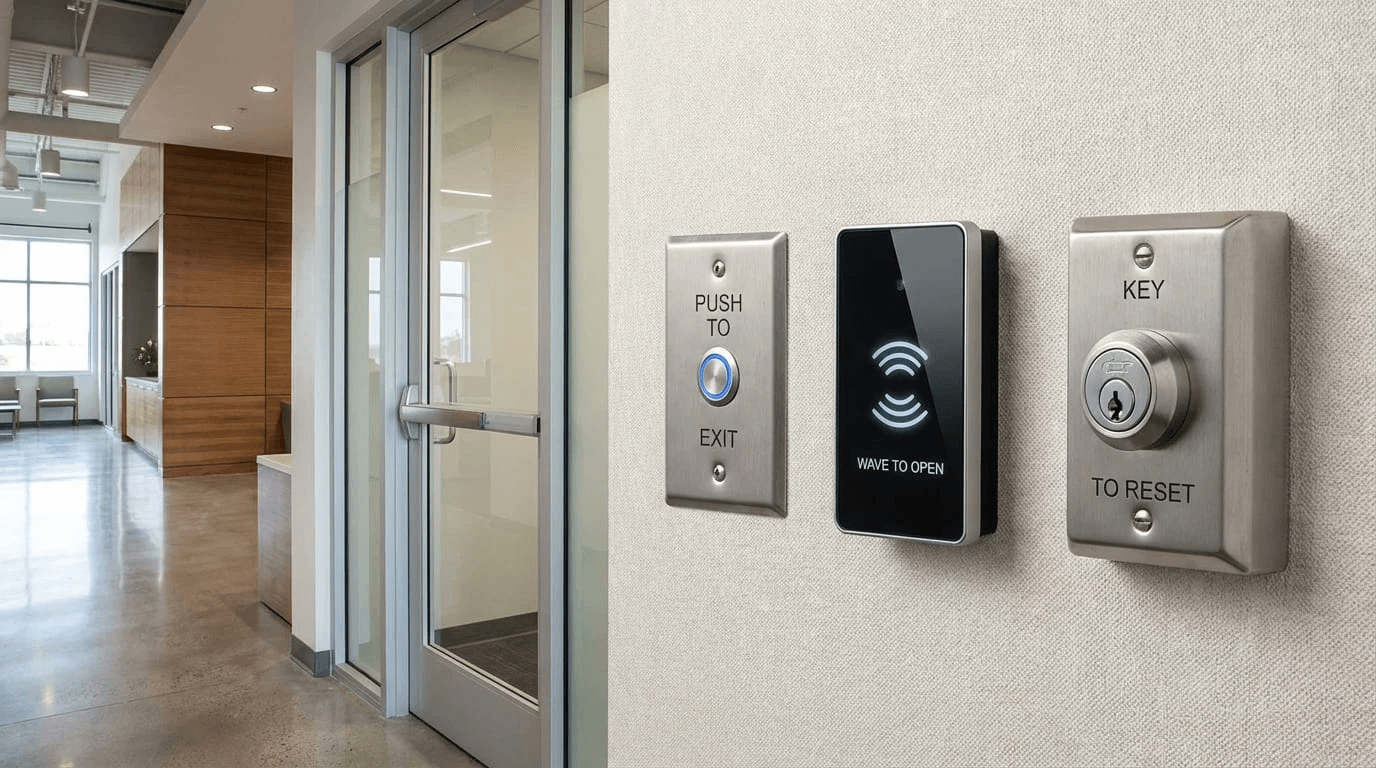
How Do You Choose the Right REX Devices?