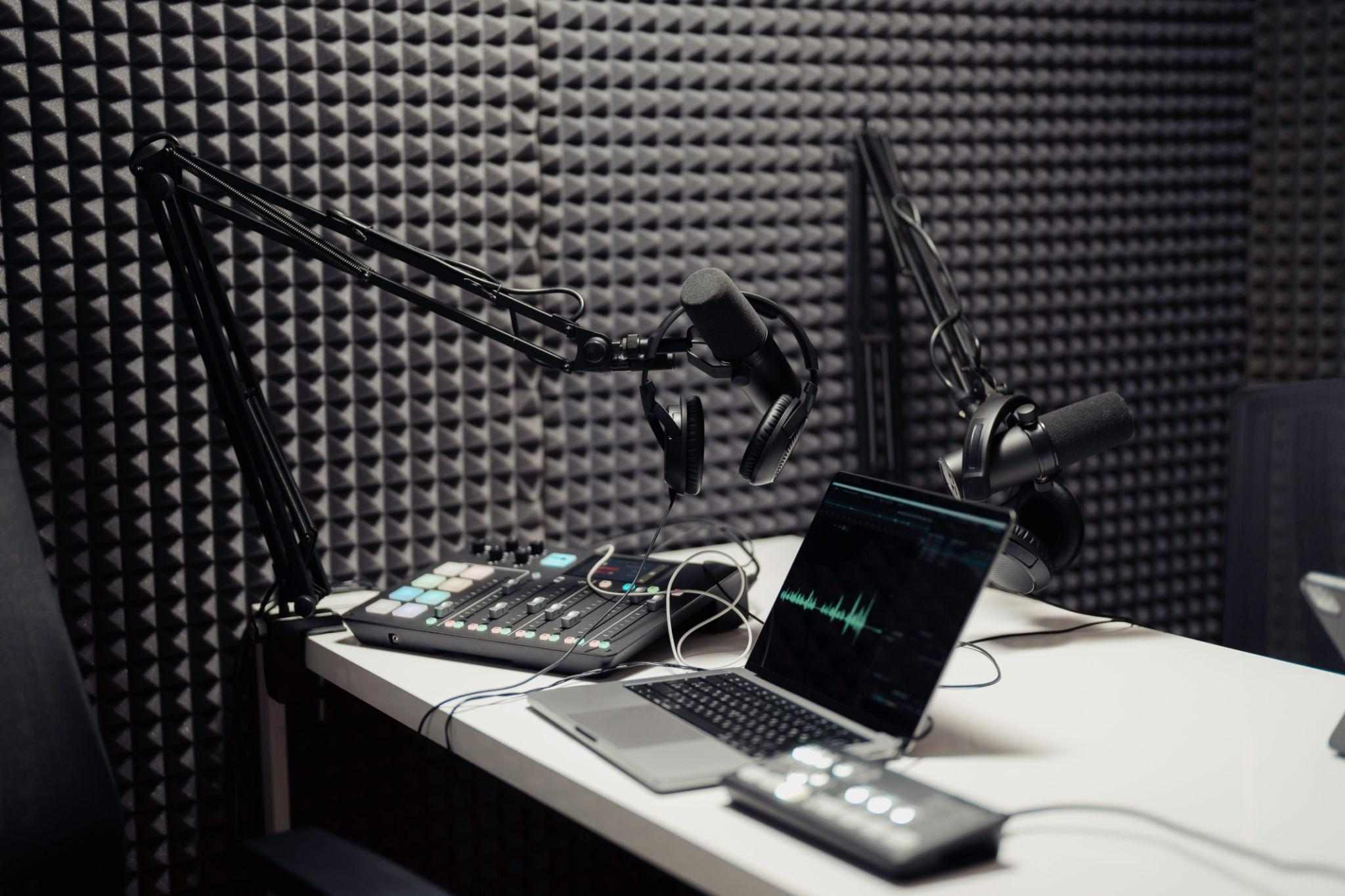
The Network Behind the Show — Structured Cabling at Philly’s Outdoor Concert Venues
On a summer night along the Delaware River, thousands of fans pour through the gates at Freedom Mortgage Pavilion in Camden. A few miles away in Fairmount Park, another crowd settles onto the lawn at the Highmark Mann. Everyone is watching the stage. Almost no one is thinking about the network that scanned their ticket, ran their card at the bar, and pushed the show to the screens beside the stage. That network is built on structured cabling services, and at an outdoor venue it works harder than almost anywhere else.
Two Venues, Two Very Different Network Challenges
Thousands of fans pack the lawn at Freedom Mortgage Pavilion, with the Philadelphia skyline across the Delaware. Every ticket scan, card tap, and video screen here depends on structured cabling services built to survive heat, rain, and long outdoor runs.
Freedom Mortgage Pavilion sits at 1 Harbour Boulevard on the Camden Waterfront. Owned by the New Jersey Economic Development Authority and operated by Live Nation, the amphitheater holds about 25,000 people and draws roughly 560,000 fans to dozens of events each year. In the colder months it converts into an enclosed, climate-controlled theater for up to 7,000 guests. That means its network has to support two very different layouts in the same building.
The Highmark Mann in Fairmount Park took its current name in October 2025 through a 12-year naming rights deal with Highmark. Its campus spreads across a hillside, with the main amphitheater, TD Pavilion, and the open-air Skyline Stage at the top of the hill. Alongside the rename, construction began on a new visitors’ center, an expanded entry plaza, and a permanent Skyline Stage. Spread-out campuses like this one depend on structured cabling services that can link far-flung stages, gates, and buildings into one reliable system.
What Runs on a Concert Venue’s Network?
Modern venues lean on structured cabling services for nearly every part of the guest experience:
- Mobile ticket scanning at every gate, often thousands of scans in the hour before doors close.
- Cashless point-of-sale at concession stands, bars, and merchandise tables.
- Guest and staff Wi-Fi, plus distributed antenna systems that keep phones connected in a packed crowd.
- IP security cameras and access control on backstage doors, loading docks, and box offices.
- Audio and video over IP, carrying sound between the stage, front-of-house mix position, and delay speakers on the lawn.
- Broadcast and livestream feeds for artists and media partners.
When any of these fails, the line at the gate grows, the bar stops taking cards, and the crowd notices. That is why venue operators treat structured cabling services as part of the production, not just part of the building.
Why Outdoor Venues Are Harder to Wire
A packed house at the Highmark Mann in Fairmount Park. Every eye is on the stage, but the night runs on cable no one sees. Structured cabling services connect the video walls, ticket scanners, card readers, and security cameras that keep a crowd this size moving.
Indoor offices give network cabling services steady temperatures and dry ceilings to work with. Outdoor amphitheaters don’t. Heat, rain, humidity, and freeze-thaw cycles all attack cable, connectors, and enclosures. Long distances between a lawn-level vendor and the main equipment room can exceed copper’s 100-meter limit. And open sites attract lightning, so grounding and surge protection matter for every pole and enclosure.
Experienced structured cabling services address these challenges with:
Outdoor-rated and armored cable. Direct-burial and armored fiber survives trenching, rodents, and the forklifts that roll through during load-in.
Fiber backbones. Fiber covers long runs between gates, stages, and buildings and ignores the electrical noise from stage power and lighting rigs.
Weatherproof enclosures. Sealed, ventilated cabinets protect switches and patch panels at concession clusters and gate plazas.
Grounding and surge protection. Proper bonding protects sensitive electronics from lightning and power spikes.
Power over Ethernet. One cable powers and connects cameras, Wi-Fi access points, and ticket scanners, cutting down on separate electrical work.
Permanent Infrastructure vs. Show-Day Cabling

From above, the Highmark Mann shows why outdoor venues are hard to wire. Seating, terraced lawns, walkways, and tents spread across a hillside, and structured cabling services have to connect every gate, stand, and stage across that ground.
Touring productions bring their own cable for lights and sound, but they plug into whatever the venue provides. A strong permanent backbone gives every tour clean, labeled connection points at the stage, mix position, and broadcast area. Good network cabling services also leave spare strands and empty conduit so the venue can add screens, scanners, or stages later without trenching across the lawn again. For a site like Freedom Mortgage Pavilion, which switches between outdoor and indoor seasons, that flexibility lets the same structured cabling services support both setups.
Security and Crowd Safety Ride on the Same Cable
Large crowds need clear sight lines for security teams. IP cameras, emergency phones, mass notification speakers, and access control at backstage doors all depend on reliable network cabling services. Segmenting security traffic onto its own VLANs, apart from guest Wi-Fi and point-of-sale, keeps a busy concession rush from slowing a live camera feed. Structured cabling services that plan these systems together give venue staff one organized, documented network to manage during an emergency.
Renovations Are the Best Time to Upgrade
When a venue opens trenches, rebuilds a plaza, or adds a permanent stage, it has a rare chance to install new conduit and fiber at a fraction of the cost of doing it later. Projects like the Highmark Mann’s campus upgrade show why venues should bring a structured cabling company into planning early, before concrete is poured and landscaping goes back in. A commercial network cabling contractor can map pathways, size strand counts for future growth, and coordinate with electrical and construction trades.
Choosing the Right Partner in the Philadelphia Region
Not all cable providers Philadelphia venues call understand live events or offer structured cabling services built for them. Look for a team that:
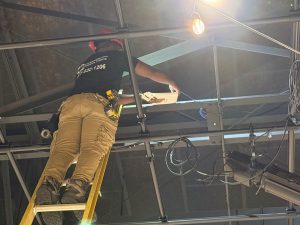
Guest Wi-Fi, ticket scanners, and card readers all start with work like this. A Bridgecable technician mounts a wireless access point to the lighting grid and connects it to a structured cabling run, giving the space reliable coverage without getting in the way of the show.
- Designs and certifies fiber and copper to recognized industry standards.
- Has experience with outdoor, wet, and high-traffic environments.
- Works around event calendars and off-season windows.
- Delivers as-built drawings, labels, and test results.
- Offers ongoing structured cabling services for moves, adds, and changes.
Because venues across the region sit on both sides of the river, choose a provider that offers cabling services Pennsylvania and New Jersey sites both rely on. To see how the pieces fit together, explore our services or read our network & security services overview.
Bringing It All Together
The music gets applause, but the network keeps the night moving. From the Camden Waterfront to Fairmount Park, every scanned ticket, card swipe, and camera feed depends on cable most fans will never see. Venues that invest in well-designed structured cabling services and dependable network cabling services give their crowds a smoother show and their staff a safer, easier night, season after season.
For help with any project or installation in the New Jersey or Philadelphia area please call us at 877-832-1206.
For more ideas please visit – https://www.bridgecable.com/services/
For more information and educational content please visit:
https://www.youtube.com/@BridgeCable
Copyright © 2026 Bridge Cable. All rights reserved.
Mailing: 2745 Terwood Road, Willow Grove, PA 19090
Warehouse: 2066 W. Hunting Park Ave, STE 308, Philadelphia, PA 19140
Related Posts

What Role Does Low Voltage Play in Speed Camera Systems?
Why Businesses Spend More on Repairs Than Proper Structured Cabling Installation