Emergence of Network Cabling and Still In Use More Than Ever
Despite the emergence of Wi-Fi technology the demand for network cabling is still substantial and immovable. Wi-Fi technology presents a viable option for users of technology today as it allows them to enjoy a wire-free or hassle free network environment with the same connectivity as wired connections, however it does have some problems.
Some Problems With Wi-Fi Networks
However, there are some common problems associated with Wi-Fi networks which include:
- High power consumption
- Limited range
- Breakable encryption standard
- Access points can be used to commit theft
- Inter-operability issues

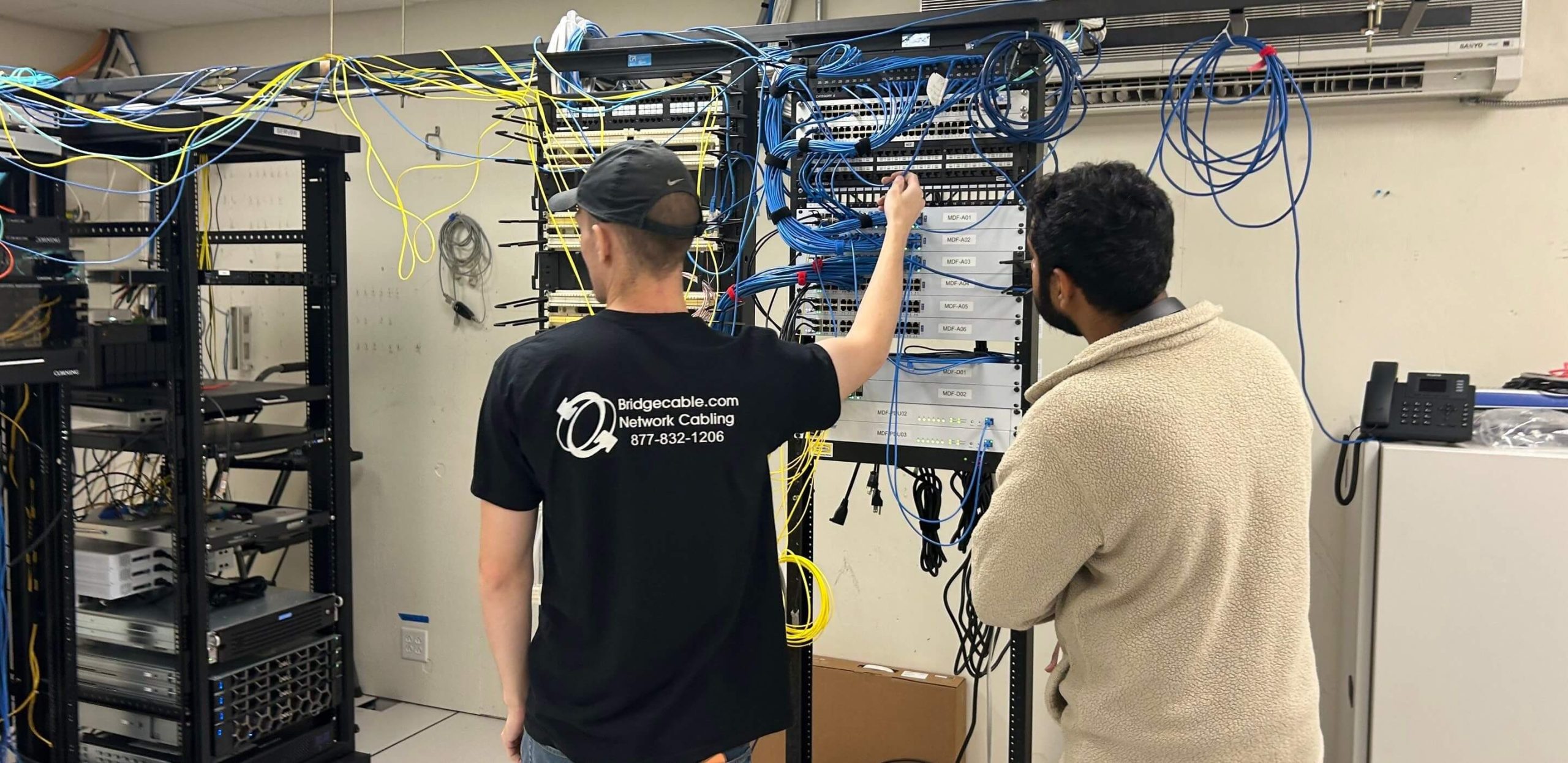
Having a mess of network cabling wires is not quite what we like to see!
Network cabling however is still on the rise with some network media becoming slightly obsolete. But their use has not become completely eliminated. The recent trend supports the growth of network systems, which implies development of power lines that are not built to support network cable systems.
Nonetheless, new technologies are allowing users to get connected through home computers or peripherals.
The Five Most Widely Used Cables
- Optical fiber cable: This supports transmission through light rather than electronic signals. It makes use of a central glass core which is surrounded by many layers of protecting material.
- Twisted pair cable: This cable system eliminates electromagnetic interference by making use of two conductors insulated effectively and is mostly used in homes.
- Coaxial cable: Currently, this is mostly used in long distance telephone connections. That’s because transmission mode of signals is the dielectric component within the cable. The benefit is that they are flexible and can be bent or twisted at will, without any loss of current or signal energy.
- Ethernet cross over cable: This supports the use of cross-over cables in place of patch cables. It eliminates the role of switches, hubs or routers to establish connections between two personal computers directly.
- Patch cable: This cable is essential for routing signals, and works in best when patch cords are used, hence the name “patch cable.” They are comparatively short as opposed to other types of cables (as short as two meters) and are easily distinguishable because they come in a variety of colors.
Basic Network Cabling Tools Needed
Below is also a video containing some basic network cabling tools needed.
However, like any other technological innovation, network cables have their own set of advantages and disadvantages as described below:
- Network cables are hard to organize and maintain. Performance is easily affected if cables get pulled, stepped on and bent, which can cause damage.
- More cable is required when shifting to a new location
- They are the most secure connections available, even when compared to wireless networks
- Hard wired Network cabling offers efficient service, as opposed to other connections which are easily affected by interference from other appliances.
Call us today for any network help you might need – (877) 832-1206
Related Posts
Network Downtime Cost for Pennsylvania Businesses

Why CommScope Certification Matters for Network Cabling